Key takeaways
- Untreated falciparum malaria can progress to severe illness and death within 24 hours. Travellers are among WHO’s groups at higher risk of severe infection. WHO
- Fever, headache and chills often begin 10 to 15 days after the bite. Get fever assessed immediately during or after travel to a malaria area, even after a full course of prophylaxis. WHO
- Choose prevention with a clinician using current destination advice. The parasite species and resistance pattern at your destination affect which medicine is suitable. TravelHealthPro
- Use bite protection alongside prescribed prophylaxis. WHO names nets, window screens, protective clothing and repellents containing DEET, IR3535 or icaridin. WHO
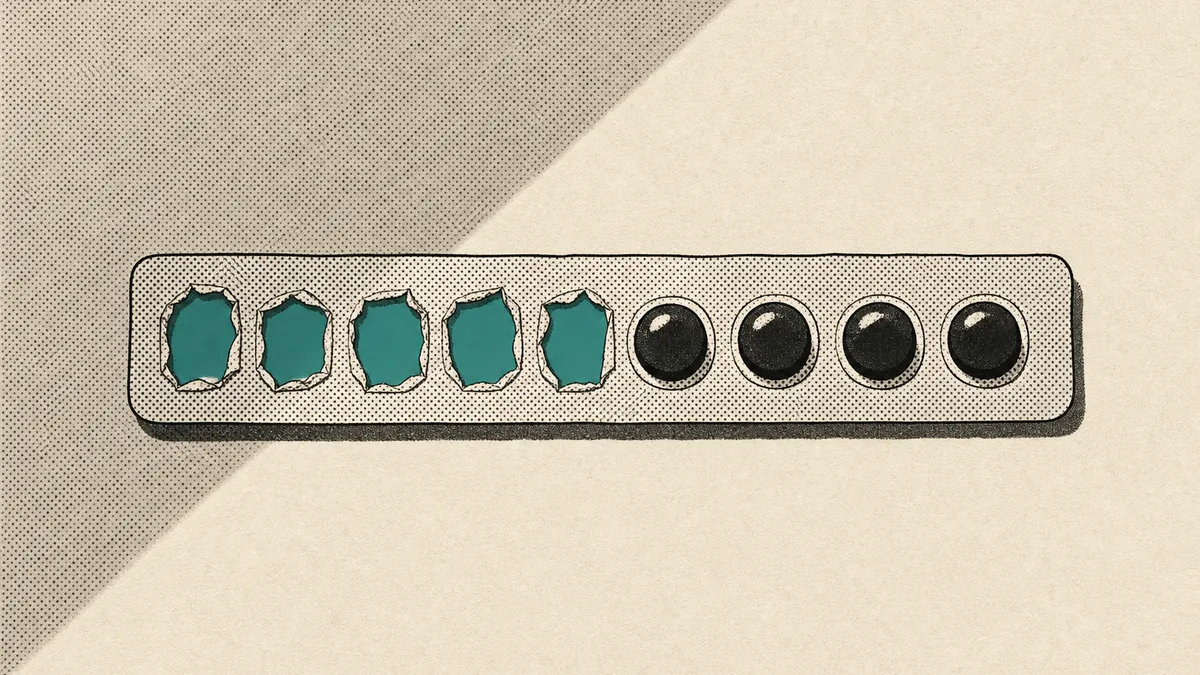
- Continue the prescribed course after leaving the risk area. The stop date comes from your prescriber; parasites can still emerge from the liver after exposure ends. WHO
- Tell the clinician about pregnancy and other health conditions before travelling. WHO lists pregnant women, young children and people with HIV among the groups at higher risk. WHO
A fever can start after the flight home. Malaria is preventable and curable, but delay can be fatal. For Gulf residents travelling between South Asia, Africa and Southeast Asia, the travel dates and destination need to be part of the medical history when illness develops.
How dangerous is malaria really?
Serious enough that a delayed diagnosis is the main thing that kills travellers.
WHO’s figures for 2024 record an estimated 282 million malaria cases and 610,000 deaths across 80 countries, with the African Region carrying 95% of cases and 95% of deaths, and children under 5 accounting for about 75% of deaths in that Region.
Untreated falciparum malaria can become severe or fatal within 24 hours. Mosquitoes transmit this life-threatening disease, which is both preventable and curable.
Of the five Plasmodium species that infect humans, P. falciparum and P. vivax pose the greatest threat. P. falciparum is the deadliest and most prevalent in Africa; P. vivax is dominant in most countries outside sub-Saharan Africa. Which one is present where you are going shapes what prevention is appropriate. WHO names the other human malaria species as P. malariae, P. ovale and P. knowlesi. WHO
What are the symptoms, and when do they start?
Fever, headache and chills, usually beginning 10 to 15 days after being bitten.
For diagnosis, WHO specifies microscopy or a rapid diagnostic test. Its “Genetic mutations” section describes a limitation of rapid tests targeting the falciparum proteins HRP2 and HRP3: mutations can stop production of those proteins. These parasites escape detection by the affected tests. WHO records them in 42 malaria-endemic countries in 2024, including Viet Nam for the first time. Getting the diagnosis and treatment early can prevent severe disease. WHO
WHO also warns that first symptoms may be mild and similar to many febrile illnesses, and difficult to recognise as malaria, and that symptoms may be especially mild in people who have had malaria before. Because the symptoms are not specific, getting tested early is important.
Severe symptoms requiring emergency care right away include extreme tiredness and fatigue, impaired consciousness, seizures, difficulty breathing and abnormal bleeding. WHO also lists dark or bloody urine and jaundice, yellowing of the eyes or skin. WHO
What does prevention actually involve?
Pack repellent, covering clothes and a net as well as the prescribed antimalarial. Completing prophylaxis substantially reduces risk; it cannot rule out malaria if you become ill.
Avoiding bites:
- Repellent containing DEET, IR3535 or icaridin on exposed skin, reapplied as directed. These are the ingredients WHO names for use after dusk. WHO
- Long sleeves and trousers after dusk, since the Anopheles mosquitoes that carry malaria bite mainly at night.
- Sleeping under an insecticide-treated net where rooms are not screened or air conditioned.
- Screens or air conditioning where available.
Medicines. Chloroquine, hydroxychloroquine, mefloquine and primaquine are in this catalogue, and doxycycline is also used for prophylaxis. A clinician uses current destination guidance to choose a regimen. Resistance and the species present can differ between destinations; a choice that works for one can be useless for the next. TravelHealthPro
Anopheles stephensi is one reason destination advice needs to stay current. This mosquito comes from parts of South Asia and the Arabian Peninsula. WHO now reports its expansion into Africa, including urban settings: it tolerates high temperatures and many public-health insecticides fail against it. WHO
Does it matter that I live in the Gulf?
Frequent travel and visits to places where you grew up both need fresh prevention advice.
The Gulf is a travel hub. Frequent trips to South Asia, East and West Africa and parts of Southeast Asia mean repeated exposure for many residents, including people visiting family in regions they grew up in.
People visiting relatives carry a particular risk. People who grew up in a malaria area may have had partial immunity, and that immunity fades after years away. Returning to visit relatives, without prophylaxis, on the assumption that malaria is a problem for tourists rather than for you, is a recognised pattern. WHO notes that symptoms may be mild in those who have had malaria before, which makes late presentation more likely rather than less dangerous.
Birthplace does not exempt you from prevention on a visit home. Pregnancy also needs discussing before departure: WHO lists premature delivery and low birth weight among the consequences of malaria in pregnancy. WHO
Do and don’t
Do:
- Arrange a pre-travel appointment weeks ahead, with your destination details. WHO says some regimens need 2 to 3 weeks before departure; others begin days ahead. WHO
- Record the start and stop dates and set a reminder. Take the course for the whole trip and the prescribed period afterwards, even if you feel well and remember no bites.
- Ask about an alternative if side effects interfere; there usually is one.
- Pack DEET, IR3535 or icaridin repellent, covering clothes and a treated net for unscreened rooms.
- Seek care immediately for fever during or after travel. Give the doctor your itinerary, dates and antimalarial history, including a completed course.
Don’t:
- Reuse the last prescription without a destination check, or leave out bite protection while taking tablets.
- Stop at the airport. Stopping on arrival home is the most common serious mistake: parasites may still emerge from the liver, where their life cycle continues after exposure. Antimalarials work at particular stages of that cycle. WHO
- Wait for a fever to settle, or count on childhood immunity after years away.
Can malaria pass directly between people?
It is mainly spread by infected female Anopheles mosquitoes, rather than ordinary person-to-person contact.
WHO also identifies blood transfusion and contaminated needles as transmission routes. Malaria is caused by a parasite. WHO
Where can I check ingredients and travel preparation?
Match the prescribed regimen by ingredient and strength, then check the travel and storage rules.
The antiparasitics category lists what is stocked here, and malaria prophylaxis approaches it from the indication. If you are travelling with medicines, the rules on carrying them are in bringing medicine into the UAE, and heat affects how they should be stored, covered in storing medicine in a Gulf summer.
MedicForce option: our antimalarial listings show active ingredient and strength, so a regimen recommended for a specific destination can be matched precisely.
Useful links
- Malaria, WHO the global burden, the parasite species, symptoms and their timing, severe symptoms, and prevention.
- Country information, TravelHealthPro destination-specific malaria risk and prevention recommendations, which is the kind of current, country-level source this decision needs.