
 Antifungals
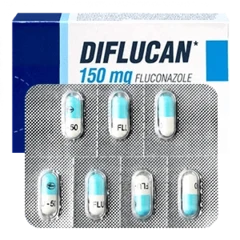
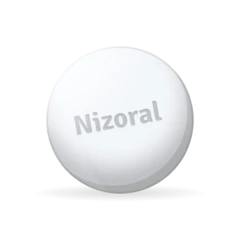
Antifungal tablets, topical tubes and other specialist forms for fungal infections of the skin, nails and vaginal area, including familiar names such as Diflucan, Nizoral and Lotrisone.
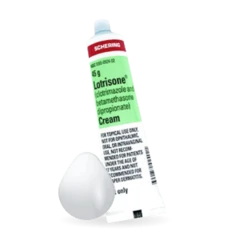
Lotrisone
Clotrimazole, Betamethasone Dipropionate
10gr · 20gr
Clotrimazole and betamethasone cream for ringworm with itching and swelling. The antifungal kills the fungus while the steroid eases inflammation.
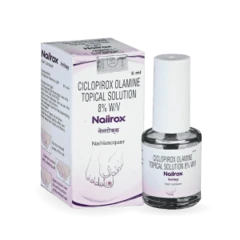
Nailrox Nail Lacquer
8%
Ciclopirox nail lacquer for fungal nail infections and athlete's foot. It is painted on like polish and penetrates the nail.

Key points
- The azoles are the largest group in this range: fluconazole, ketoconazole, clotrimazole, miconazole, fenticonazole, luliconazole and voriconazole all appear among the attached products.
- Griseofulvin, ciclopirox and butenafine cover what the azoles do not, reaching scalp, nail and stubborn skin infections.
- Diflucan and Nizoral are the brand names the UAE regulator lists for fluconazole and ketoconazole.
The antifungal groups in this range
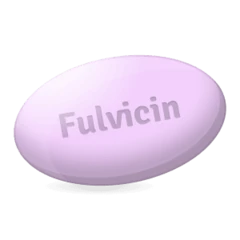
Diflucan and Vfend are tablets built on fluconazole and voriconazole, used respectively for vaginal and systemic candidiasis and for invasive aspergillosis. Nizoral and Fulvicin are also tablets, using ketoconazole and griseofulvin for systemic fungal infections and tinea capitis of the scalp.
The topical tubes cover related skin infections. Lotrisone combines Clotrimazole with Betamethasone Dipropionate, and pairing an antifungal with a corticosteroid like this needs care, since the corticosteroid part can worsen fungal infections of the skin.
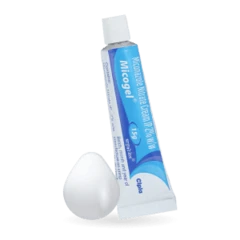
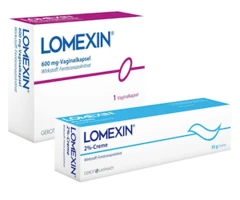
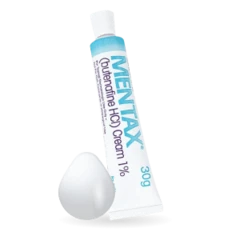
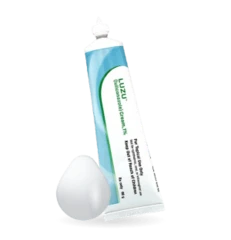
Micogel, Mentax and Luzu use miconazole, butenafine and luliconazole instead, treating Tinea Pedis, tinea cruris and tinea corporis on their own. Fenticonazole is the active ingredient in Lomexin, a vaginal suppository, and Nailrox Nail Lacquer treats nail infections with ciclopirox.