
 Gout Treatment
Tablets for treating a gout flare and for long-term urate-lowering therapy, including Colchicine Tablets, Zyloprim, Uloric and Benemid, covering both sudden joint attacks and ongoing uric acid control.
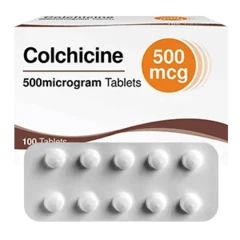
Colchicine Tablets
0.5mg
Colchicine tablets for acute gout and familial Mediterranean fever. It stops white blood cells from migrating to uric acid deposits.
Key points
- Flare relief and urate-lowering therapy are different jobs: one calms a sudden attack, the other reduces uric acid over time.
- A high uric acid level does not automatically mean a person has gout.
- Zyloric, listed on the UAE medicines regulator’s product record, shares the same active ingredient, allopurinol, as the Zyloprim tablets in this range.
Flare relief and urate-lowering tablets
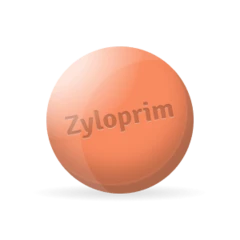
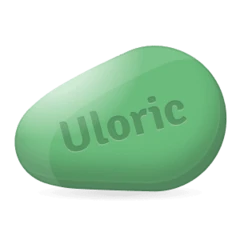
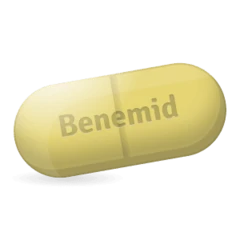
Colchicine Tablets contain Colchicine, a microtubule disrupter used to settle a gout flare rather than lower uric acid over time. Zyloprim contains Allopurinol, which reduces how much uric acid the body produces, while Uloric uses a different uric acid synthesis inhibitor to the same end. Benemid contains Probenecid, which works differently again, helping the kidneys clear uric acid rather than blocking its production. Between them, the range covers a sudden attack and the ongoing urate-lowering therapy used for Hyperuricaemia.