
 Blood Thinners
Blood Thinners covers anticoagulant and antiplatelet medicines in tablet and capsule form, used to prevent harmful blood clots, including Eliquis, Xarelto, Pradaxa and Clopidogrel Tablets.
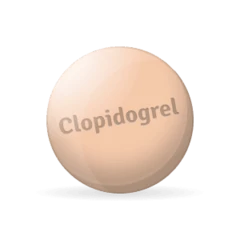
Clopidogrel Tablets
75mg
Clopidogrel tablets for preventing heart attacks and strokes. It irreversibly stops platelets from clumping together, so the effect lasts for the life of the cell.


Medex Tablets
1mg · 5mg
Warfarin tablets for blood clots and stroke prevention. The dose is adjusted based on regular INR blood tests.

Dipyridamole Tablets
25mg · 100mg
Dipyridamole tablets to prevent blood clots and stroke. It makes platelets less sticky.

Key points
- Anticoagulants interfere with the clotting process itself and include warfarin, apixaban, dabigatran and rivaroxaban.
- Antiplatelet medicines such as clopidogrel work differently, reducing how much platelets clump together rather than acting on clotting factors.
- Bleeding is a safety concern shared across the whole range, whichever family a medicine belongs to.
Anticoagulants and antiplatelets in this range
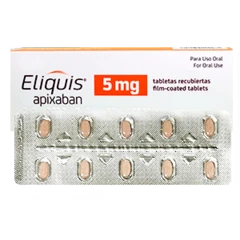
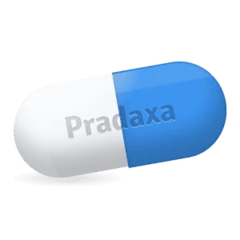
Blood thinners is a familiar term, but this range holds two different families rather than a single medicine class, because each acts at a different point in clot formation. Eliquis contains Apixaban, Pradaxa contains dabigatran etexilate, Xarelto contains rivaroxaban and Coumadin contains Warfarin. Together, these anticoagulants are listed for venous thromboembolism and for stroke prevention in atrial fibrillation.
Clopidogrel Tablets, Brilinta (ticagrelor) and Dipyridamole Tablets are the antiplatelets in this range. Together they are listed for Acute Coronary Syndrome, myocardial infarction prevention or stroke prevention, alongside Clopidogrel itself.