
 Menopause & HRT
Oestrogen and progestogen medicines for menopause symptoms, including tablets, capsules and a topical treatment among products such as Provera, Estrace, Duphaston, Tibofem and Aygestin in this range.
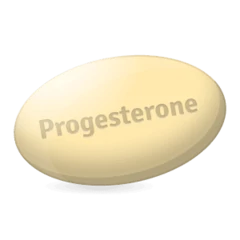
Progesterone Capsules
200mg
Progesterone capsules for missed periods and endometrial hyperplasia. They deliver the same hormone the body makes, helping to regulate the menstrual cycle.

Conjubrook
0.625mg
Conjugated oestrogens for menopausal hot flushes and vaginal dryness. They replace the natural hormone that falls after the menopause.
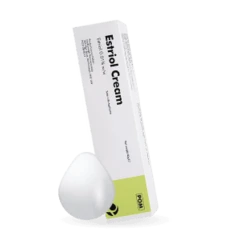
Estriol Topical
1g
Estriol cream for vaginal dryness and discomfort during sex. It works locally in the vagina, so very little reaches the bloodstream.
Key points
- Combined HRT contains oestrogen and a progestogen, while oestrogen-only HRT does not.
- HRT is supplied in several forms, including tablets, patches, gels and local vaginal preparations.
- Treatment is reviewed according to symptoms, tolerability and individual health context.
Oestrogen and progestogen medicines in this collection
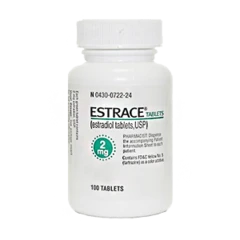
Estrace contains Estradiol and Conjubrook contains conjugated oestrogens. Both are listed for Menopausal Vasomotor Symptoms, alongside other indications. Estriol Topical contains estriol and is listed for atrophic vaginitis, dyspareunia and postmenopausal urogenital conditions, treating genitourinary symptoms through a local route rather than a tablet.
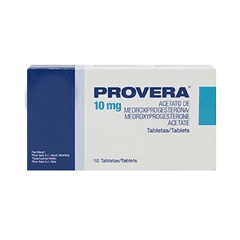
Provera contains Medroxyprogesterone Acetate, Progesterone Capsules contain Progesterone, Duphaston contains dydrogesterone and Aygestin contains norethindrone acetate. These four are listed for amenorrhoea, abnormal uterine bleeding, endometriosis or endometrial hyperplasia rather than for menopause itself, though their hormone identity places them in this HRT range. Tibofem contains tibolone and is listed for the same vasomotor symptoms as well as postmenopausal osteoporosis prevention.
Further reading
Related articles
22 Sept 2026 ⋅ 8 min read
Menopause and HRT: What the Symptoms Are and What Treatment Involves
Menopause usually affects women between 45 and 55, and its symptoms go well beyond hot flushes. What perimenopause looks like, what HRT actually consists of, and why oestrogen alone is not the whole answer.
Read guide