
 Antibiotics
Antibiotic tablets, capsules and topical treatments for bacterial infections, including well-known names such as Amoxil, Augmentin and Cipro alongside macrolide and protein synthesis inhibitor options.



Vibramycin
100mg
Doxycycline capsules for bacterial infections, including chlamydia. It stops bacteria from making proteins they need to grow.

Bactrim
Sulfamethoxazole, Trimethoprim
400mg + 80mg · 800mg + 160mg
A sulfamethoxazole and trimethoprim combination for urinary tract infections and pneumocystis pneumonia. Each ingredient blocks a different step in the same pathway.


Nitrofurantoin Tablets
50mg · 100mg
Nitrofurantoin tablets for bladder infections and other UTIs. It concentrates in the urine to act directly on the bacteria.

Erythromycin Tablets
250mg · 500mg
Erythromycin tablets for bacterial infections. They are a macrolide antibiotic, an option for those who cannot take penicillin.
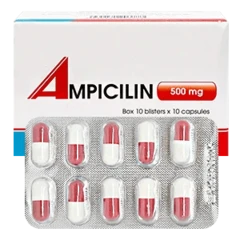
Ampicillin Capsules
250mg · 500mg
Ampicillin capsules for bacterial infections and bacterial meningitis. It is a broad-spectrum penicillin, covering a wider range of bacteria than penicillin itself.






Minocycline Capsules
50mg · 100mg
Minocycline capsules for bacterial infections and acne. It reduces the inflammation that causes acne breakouts.

Chloramphenicol Capsules
500mg
Chloramphenicol capsules for typhoid fever and bacterial meningitis. It can affect blood cell production, so regular blood tests are needed during treatment.
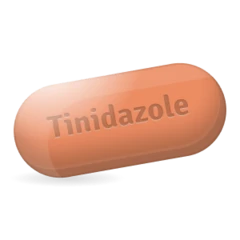
Tinidazole Tablets
500mg
Tinidazole tablets for trichomoniasis and giardiasis. It kills the parasites by damaging their DNA.
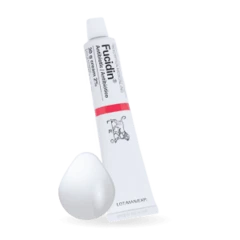
Fucidin Cream
2% 15gm · 2% 5gm
Fusidic acid cream for bacterial skin infections such as impetigo. It stops bacteria from producing the proteins they need to multiply.

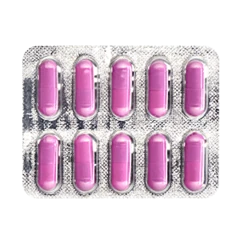
Clindamycin Tablets
150mg · 300mg
Clindamycin tablets for bacterial infections. It is often used for skin and soft tissue infections as well as bone infections.




Cefaclor Tablets
250mg · 500mg
Cefaclor tablets for bacterial infections. It disrupts the bacterial cell wall, causing the cells to burst open rather than just stopping their growth.



Isoniazid Tablets
100mg · 300mg
Isoniazid tablets for tuberculosis. It stops the TB bacteria from building their protective cell wall.

Ethionamide Tablets
250mg
Ethionamide tablets for tuberculosis. They are used when first-line TB drugs cannot be used or have not worked.

Ornidazole Tablets
500mg
Ornidazole tablets for trichomoniasis and amoebiasis. It damages the DNA of the parasites causing the infection.

Secnidazole Tablets
1g
Secnidazole tablets for bacterial vaginosis and trichomoniasis. It damages the DNA of the microbes causing the infection.
Vancomycin Capsules
250mg
Vancomycin capsules for Clostridioides difficile diarrhoea and staphylococcal enterocolitis. It stays in the gut to act on the infection.


Fosfomycin Sachets
3g
Fosfomycin sachets for acute cystitis. A single-dose treatment for uncomplicated urinary tract infections, so there is no multi-day course to remember.
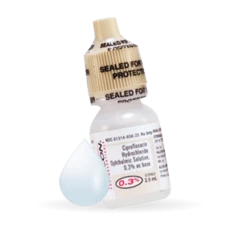
Ciprodex Ophthalmic Solution
0.3% + 0.1% 5ml
Ciprofloxacin and dexamethasone eye drops for bacterial conjunctivitis. The steroid component means it should not be used long-term without medical supervision.
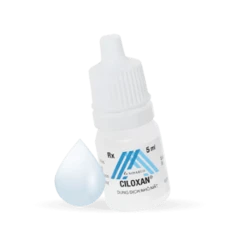
Ciloxan Ophthalmic Solution
5ml
Ciprofloxacin eye drops for bacterial corneal ulcers and conjunctivitis. It is for bacterial infections only and will not help viral or allergic eye conditions.
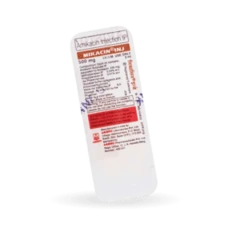
Mikacin Injection
100mg per 2ml
Amikacin injection for bacterial infections and septicaemia. It stops bacteria from making the proteins they need to survive.

Key points
- Antibiotics work against bacteria and will not help viral illnesses such as colds or flu.
- Stewardship programmes guide how antibiotics are used so they keep working against future infections.
- AWaRe groups classify antibiotics as Access, Watch or Reserve to guide how widely each is used.
- Augmentin is the brand name used in the UAE for amoxicillin combined with clavulanic acid, one of the beta-lactam antibiotics in this range.
Beta-lactams, macrolides and more
This range spans several antibiotic classes, each working against bacteria in a different way. Amoxicillin, often combined with Clavulanic Acid as in Augmentin, is a beta-lactam antibiotic that stops bacteria building their cell walls, and the cephalosporin cephalexin works in the same broad way.
Doxycycline blocks the machinery bacteria need to grow and multiply. Macrolides, including roxithromycin and clarithromycin, offer an option for people who cannot take penicillin-type antibiotics. Ciprofloxacin and related antibiotics are used for urinary tract infections, while a nitroimidazole such as metronidazole targets specific anaerobic infections.
Common questions about Antibiotics
What forms do antibiotics in this range come in?
Most antibiotics here are oral tablets or capsules, though the range also includes a topical cream, eye drops and an injectable option. The form depends on the infection being treated, from a skin infection needing a cream to a systemic infection needing tablets or an injection.
What does AWaRe mean for antibiotics?
AWaRe is a WHO classification that groups antibiotics as Access, Watch or Reserve. It helps prescribers and health systems monitor antibiotic use and supports efforts to limit antimicrobial resistance by favouring narrower-spectrum options where they work as well as broader ones.
Further reading
Related articles

22 Sept 2026 ⋅ 8 min read
Doxycycline: The Sunburn Risk, the Swallowing Rule, and Who Cannot Take It
Doxycycline causes an exaggerated sunburn reaction in some people, can ulcerate the gullet if taken lying down or without enough water, and permanently discolours developing teeth. What the label actually says.
Read guide
30 Jul 2026 ⋅ 9 min read
Antibiotics and Resistance: Why This Region Is Already Ahead of the Curve
One in three reported bacterial infections in the Eastern Mediterranean Region is already resistant to antibiotics, against one in six globally. What drives it, why antibiotics do nothing for colds and flu, and what an individual can actually change.
Read guide
29 Jul 2026 ⋅ 8 min read
Storing Medicine in a Gulf Summer: What the Label Actually Requires
Most medicines are licensed to be stored below 25°C, and a UAE summer runs well past that. Which medicines fail first in the heat, which ones make heat itself riskier, and what to do about deliveries, cars and travel.
Read guide