
 Cholesterol Management
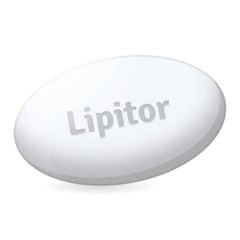
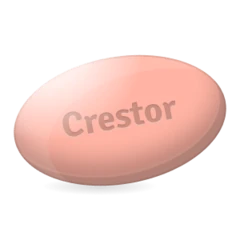
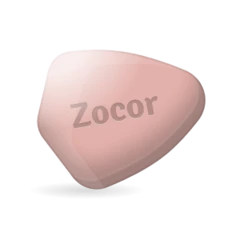
Statins, ezetimibe and fibrate tablets for cholesterol and triglyceride management, including Lipitor, Crestor, Zocor and Tricor. Non-statin options such as Nexletol and Questran sit alongside them.
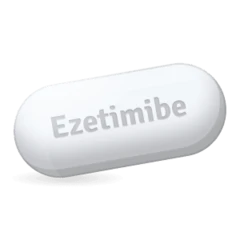
Ezetimibe Tablets
10mg
Ezetimibe tablets for high cholesterol. It stops cholesterol being absorbed from food and bile in the intestine.



Key points
- Statins lower LDL cholesterol by cutting down how much the liver produces on its own.
- NICE guidance on cardiovascular risk and lipid modification covers statins plus additional lipid-lowering treatments.
- Lipid profile tests check how well a cholesterol medicine is working after starting or changing treatment.
Statins, ezetimibe and fibrates in this range
Lipitor, Crestor, Zocor, Pravachol and Livalo are statins built from different generics: atorvastatin, rosuvastatin, simvastatin, pravastatin and pitavastatin. Roszet pairs Rosuvastatin with Ezetimibe in a single tablet, combining a statin with a non-statin approach to lipid-lowering.
Ezetimibe Tablets and Nexletol, which contains bempedoic acid, are non-statin options taken on their own. Tricor and Lopid are fibrates, containing fenofibrate and gemfibrozil, and Questran is a bile-acid sequestrant containing colestyramine. These non-statin medicines work through different mechanisms to statins but sit in this range for Mixed Dyslipidaemia and related cholesterol management needs.
Urso and Actigall both contain Ursodeoxycholic Acid, but they are listed for primary biliary cholangitis and gallstone dissolution rather than routine cholesterol management.