
 Hepatitis Treatment
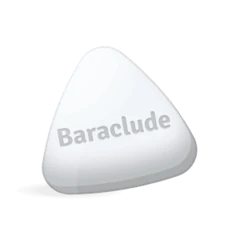
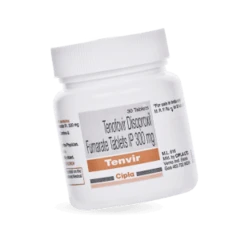
Antiviral tablets and capsules for chronic hepatitis B and hepatitis C, including single-ingredient options like Baraclude, Tenvir and Copegus alongside Hepcinat LP’s ledipasvir and sofosbuvir combination.

Epivir Hbv
100mg · 150mg
Lamivudine tablets for chronic hepatitis B. They work by preventing the virus from multiplying in liver cells.


Hepcinat Lp
90mg + 400mg
Ledipasvir and sofosbuvir tablets for chronic hepatitis C. One of the newer direct-acting antiviral combinations, taken as a course to clear the virus.
Key points
- Chronic hepatitis B does not always need medicine, since monitoring and liver assessment guide the decision first.
- Hepatitis C treatment today relies on oral direct-acting antivirals for most people with a detectable infection.
- Hepatitis B testing happens before starting hepatitis C antiviral treatment, since hepatitis B can reactivate during that treatment.
- Hepatitis B and hepatitis C have different treatment goals and monitoring needs, even though both sit in this same antiviral range.
Hepatitis B antivirals in this range
Baraclude contains entecavir and Tenvir contains tenofovir disoproxil; both are listed for Chronic Hepatitis B, and Epivir HBV contains lamivudine for the same use. Entecavir and Tenofovir Disoproxil can suppress the hepatitis B virus without curing it. Tenvir is also listed for HIV-1 infection, since tenofovir disoproxil treats both viruses.
Hepatitis C antivirals in this range
Copegus contains ribavirin and is listed for chronic hepatitis C. Ribavirin works as a single ingredient, while Hepcinat LP combines ledipasvir with sofosbuvir in one tablet as a direct-acting antiviral combination, also listed for chronic hepatitis C.