
Hypertriglyceridaemia
Hypertriglyceridaemia is a condition where triglyceride levels in the blood are elevated. Very high levels can increase the risk of pancreatic inflammation and cardiovascular disease.

Key points
- Hypertriglyceridaemia often occurs alongside other metabolic conditions such as obesity, type 2 diabetes, and excess alcohol consumption.
- When triglyceride levels become very high, there is an increased risk of acute pancreatitis, a serious inflammation of the pancreas.
- The condition is more common in people with a family history of lipid disorders and in those taking certain medications that affect fat metabolism.
Medicines listed for Hypertriglyceridaemia
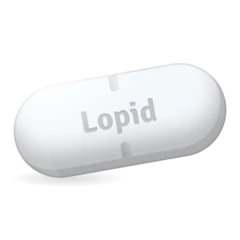
The listed products contain Fenofibrate and Gemfibrozil, both belonging to a class of medicines called fibrates. Fibrates help lower triglyceride levels in the blood and are used as part of the management of hypertriglyceridaemia. Tricor and Lopid are available as tablets.