
Period Delay
A period can be held back for a few days or weeks with norethisterone, a progestogen tablet. Women use it for a holiday, an exam, a wedding, or for Umrah and Hajj. It is meant for occasional use, not for every cycle.
Medicine used to treat Period Delay
Key points
- Timing: the tablets start three days before the period is due, and the period usually comes two to four days after the last tablet.
- Not a contraceptive: norethisterone does not prevent pregnancy, so another method is needed during the course.
- Not for everyone: pregnancy, breastfeeding, unexplained vaginal bleeding, breast or genital cancer, and a recent heart attack, stroke or blood clot rule it out.
How norethisterone holds a period back
During a normal cycle the progesterone level falls, the womb lining sheds and the period starts. Norethisterone keeps a progestogen level up, so the lining stays in place until the tablets stop. A course usually runs for up to about 20 days in total.
Part of each dose is converted in the body to ethinylestradiol, the oestrogen in combined pills. Women who cannot take a combined pill, especially those at risk of blood clots, should check with a doctor first.
Bloating, breast tenderness, low mood, acne and period-like pain are the common side effects. How well it works varies from woman to woman.
Umrah and Hajj
A study of women preparing for Umrah and Hajj found norethisterone effective at keeping menstrual bleeding away during the pilgrimage. It worked best when started 10 to 15 days before the next period was due. A doctor can advise on the start date for a long trip.
Medicines listed for Period Delay
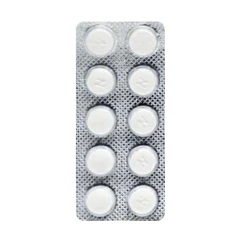
The listed product contains norethisterone 5mg tablets, the ingredient sold as Primolut N in the Gulf and the UK. It is also listed for endometriosis, absent periods and abnormal uterine bleeding.
Further reading
FAQ
Which period delay tablets does MedicForce sell?
1 medicine: Aygestin. Active ingredient: norethindrone acetate. Each product page lists the strengths and packs.
Last updated