
Azelastine
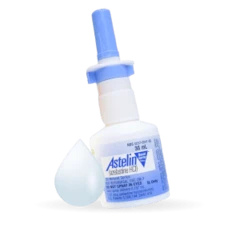
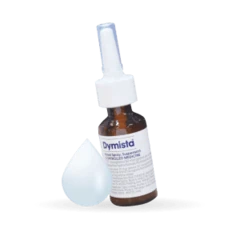
Azelastine (Astelin) is a nasal antihistamine used for allergy symptoms, including allergic and vasomotor rhinitis. This listing includes Astelin, an azelastine spray, and Dymista, which contains azelastine with fluticasone propionate.
Key points
- Histamine blockade reduces activity involved in nasal allergy symptoms.
- Azelastine nasal medicine covers sneezing, a runny or itchy nose, and congestion.
- Drowsiness can occur with azelastine nasal spray, and alcohol can intensify this effect.
Brands and forms in this catalogue
Both entries are nasal sprays linked to Allergic Rhinitis and Vasomotor Rhinitis. Astelin is listed as a 10 ml pack, while Dymista displays 137 mcg + 50 mcg and contains fluticasone propionate alongside azelastine. They sit within Respiratory Health.
Further reading
Related articles

22 Sept 2026 ⋅ 8 min read
Allergy in the UAE: Dust, Air Conditioning and What Actually Helps
Allergy here is driven by airborne dust and indoor dust mites rather than a pollen season, so symptoms often run year round. What the triggers are, what the treatment classes do, and why the local pharmacy shelf uses names you may not recognise.
Read guide