
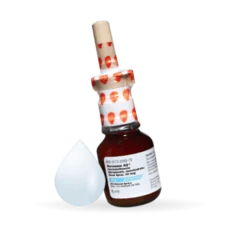
Beconase Aq
Allergic Rhinitis, Nasal Polyps
50mcg
Beclometasone nasal spray for hay fever and nasal polyps. It reduces swelling in the nasal lining.
From$21.25/ inhalerView
Beclometasone dipropionate (Beconase Aq) is a corticosteroid used as a nasal spray for allergic rhinitis, and in Candid B Lotion, combined with an antifungal, for fungal skin infections with inflammation. This catalogue lists it in Beconase Aq, Beclometasone Nasal Spray and Candid B Lotion.
Allergic Rhinitis, Nasal Polyps
50mcg
Beclometasone nasal spray for hay fever and nasal polyps. It reduces swelling in the nasal lining.
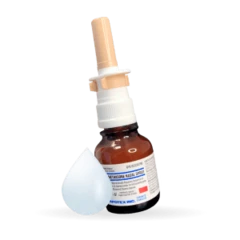
Allergic Rhinitis
0.025% 30ml
Beclometasone nasal spray for allergic rhinitis. It reduces swelling and inflammation in the nasal passages.
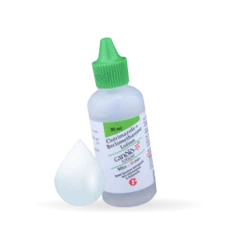
Fungal Skin Infections with Inflammation
1% + 0.025% 30ml
A beclometasone dipropionate and clotrimazole cream for fungal skin infections with inflammation. It treats the infection and the swelling together.
As a nasal spray, beclometasone dipropionate is used for Allergic Rhinitis: the seasonal kind linked to pollen (hayfever), the year-round kind, and vasomotor rhinitis. In Candid B Lotion, it is combined with the antifungal clotrimazole for Fungal Skin Infections with Inflammation, including tinea cruris and tinea corporis.
Beconase Aq is the originator brand, from GlaxoSmithKline, and comes as an aqueous nasal spray. Beclometasone Nasal Spray is a generic version delivered the same way, as a spray into the nose, for Allergy Relief. Candid B Lotion is different: its originator is Glenmark Pharmaceuticals, and it combines beclometasone dipropionate with the antifungal clotrimazole in a liquid applied to the skin rather than the nose.

22 Sept 2026 ⋅ 8 min read
Allergy here is driven by airborne dust and indoor dust mites rather than a pollen season, so symptoms often run year round. What the triggers are, what the treatment classes do, and why the local pharmacy shelf uses names you may not recognise.
Read guide