
Clotrimazole
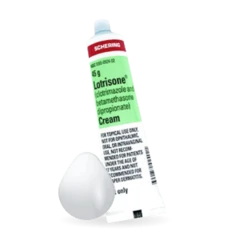
Clotrimazole (Lotrisone) is an imidazole antifungal used in topical combination medicines for fungal skin infections. This catalogue lists Lotrisone and Candid B Lotion, two products that pair clotrimazole with a corticosteroid.
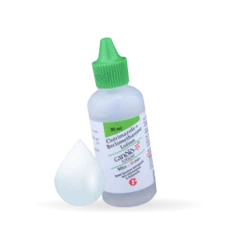
Candid B Lotion
Fungal Skin Infections with Inflammation
1% + 0.025% 30ml
A beclometasone dipropionate and clotrimazole cream for fungal skin infections with inflammation. It treats the infection and the swelling together.
From$6.80/ bottleView
Key points
- Lotrisone contains clotrimazole with betamethasone dipropionate, while Candid B Lotion contains clotrimazole with beclometasone dipropionate.
- Both listed medicines are topical combinations for fungal skin conditions with inflammation.
- Local skin reactions can include blistering, redness, swelling, itching, burning or peeling.
Brands and forms in this catalogue
Lotrisone is supplied in a tube, while Candid B Lotion is supplied in a bottle. Both contain the same imidazole antifungal, but their corticosteroid ingredients differ. The listed skin uses include Tinea Cruris and Tinea Corporis.