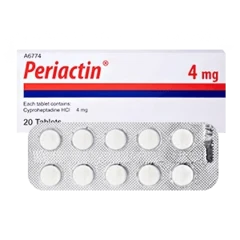
Cyproheptadine
Cyproheptadine is a first-generation antihistamine. Its label sets out two restrictions that matter more than the indication list, because they concern groups where the medicine behaves differently rather than situations where it simply is not needed.
Key points
- Because of the higher risk of antihistamines for infants generally, and for newborns and premature infants in particular, antihistamine therapy is contraindicated in nursing mothers.
- Antihistamines are more likely to cause dizziness, sedation and hypotension in elderly patients.
- Dose selection for an elderly patient should be cautious, usually starting at the low end of the dosing range, reflecting decreased hepatic, renal or cardiac function and concomitant disease or drug therapy.
How it works
Cyproheptadine is a first-generation antihistamine, which crosses into the central nervous system and produces sedation alongside its antihistamine effect. That central action is what makes the effects in older patients more pronounced, and it is why the newer non-sedating antihistamines exist as an alternative for daytime use.
Safety specific to cyproheptadine
Nursing mothers. The label is categorical: because of the higher risk of antihistamines for infants generally, and for newborns and prematures in particular, antihistamine therapy is contraindicated in nursing mothers. It adds that because many drugs are excreted in human milk and because of the potential for serious adverse reactions in nursing infants, a decision should be made whether to discontinue nursing or to discontinue the drug, taking into account the importance of the drug to the mother.
Older patients. Antihistamines are more likely to cause dizziness, sedation and hypotension in elderly patients. The label asks that dose selection for an elderly patient be cautious, usually starting at the low end of the dosing range, reflecting the greater frequency of decreased hepatic, renal or cardiac function and of concomitant disease or other drug therapy.
It also records that other reported clinical experience has not identified differences in responses between elderly and younger patients, so the caution rests on physiology and co-medication rather than on a different drug effect.
When to seek urgent care
Falls, fainting or marked confusion after taking cyproheptadine, particularly in an older person, warrant medical assessment rather than being attributed to the underlying condition.
Further reading
Related articles

28 Jul 2026 ⋅ 8 min read
Allergy in the UAE: Dust, Air Conditioning and What Actually Helps
Allergy here is driven by airborne dust and indoor dust mites rather than a pollen season, so symptoms often run year round. What the triggers are, what the treatment classes do, and why the local pharmacy shelf uses names you may not recognise.
Read guide

28 Jul 2026 ⋅ 8 min read
Hives and Itchy Welts: What Triggers Them and What Settles Them
Hives usually clear within days and can often be treated at home with antihistamines. What triggers them, why heat and sweat set them off for some people, and the swelling that means calling emergency services.
Read guide