
Desloratadine
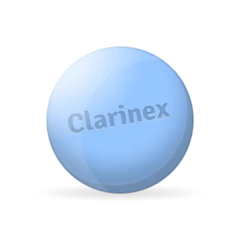
Desloratadine (Clarinex) is used for seasonal and perennial allergy symptoms. This listing contains Clarinex.
Key points
- Seasonal allergic rhinitis: Clarinex is indicated from 2 years of age.
- Perennial allergic rhinitis: Clarinex is indicated from 6 months of age.
- Food and grapefruit juice: neither changed how much desloratadine entered the bloodstream.
What desloratadine is used for
Desloratadine has selective H1-receptor activity, so it blocks histamine signals associated with allergic rhinitis. Its long-acting action can relieve nasal and non-nasal allergy symptoms.
Further reading
Related articles
22 Sept 2026 ⋅ 8 min read
Allergy in the UAE: Dust, Air Conditioning and What Actually Helps
Allergy here is driven by airborne dust and indoor dust mites rather than a pollen season, so symptoms often run year round. What the triggers are, what the treatment classes do, and why the local pharmacy shelf uses names you may not recognise.
Read guide
22 Sept 2026 ⋅ 8 min read
Hives and Itchy Welts: What Triggers Them and What Settles Them
Hives usually clear within days and can often be treated at home with antihistamines. What triggers them, why heat and sweat set them off for some people, and the swelling that means calling emergency services.
Read guide