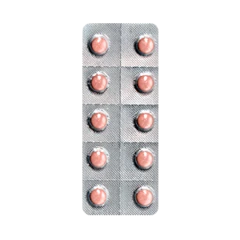
Diclofenac Tablets
Osteoarthritis, Rheumatoid Arthritis
50mg · 100mg
Designed to support physiological comfort to manage musculoskeletal joint inflammation and alleviate painful cramping.
Diclofenac is a non-steroidal agent with analgesic, anti-inflammatory and antipyretic properties, as set out in its UK product information. It is used for relief of the signs and symptoms of osteoarthritis and of rheumatoid arthritis.
Osteoarthritis, Rheumatoid Arthritis
50mg · 100mg
Designed to support physiological comfort to manage musculoskeletal joint inflammation and alleviate painful cramping.
Osteoarthritis, Rheumatoid Arthritis
100mg
Formulated to alleviate chronic joint inflammation to support physical mobility and target structural skeletal pain.
The mechanism of action of diclofenac, like that of other NSAIDs, is not completely understood, but it involves inhibition of cyclo-oxygenase (COX-1 and COX-2). In vitro, diclofenac is a potent inhibitor of prostaglandin synthesis, and in animal models, prostaglandins sensitise afferent nerves and increase the pain response to bradykinin.
Diclofenac’s US prescribing information carries a boxed warning, the strongest warning the FDA places on a medicine label. Its first heading is Cardiovascular Thrombotic Events: NSAIDs, including diclofenac, cause an increased risk of serious cardiovascular thrombotic events, including myocardial infarction and stroke, which can be fatal, and this risk may occur early in treatment and may increase with duration of use. Diclofenac is contraindicated in the setting of coronary artery bypass graft (CABG) surgery. The boxed warning’s second heading is Gastrointestinal Bleeding, Ulceration, and Perforation: NSAIDs cause an increased risk of serious gastrointestinal adverse events, including bleeding, ulceration and perforation of the stomach or intestines, which can be fatal. These events can occur at any time during use and without warning symptoms, and elderly patients and patients with a prior history of peptic ulcer disease or gastrointestinal bleeding are at greater risk for serious gastrointestinal events.
Diclofenac has also been linked, through postmarketing surveillance, to severe liver reactions, including liver necrosis, jaundice, fulminant hepatitis and liver failure.
Diclofenac has been associated with anaphylactic reactions, including in people with no earlier known hypersensitivity to it and in people with aspirin-sensitive asthma. It can also cause serious skin reactions: patients are advised to stop taking diclofenac and seek care at the first sign of skin rash or any other sign of hypersensitivity. A further hypersensitivity reaction, DRESS, typically presents with fever, rash, swollen glands and facial swelling, and early signs such as fever or swollen glands can appear before any rash is visible.
NSAIDs, including diclofenac, should be avoided in pregnant women at about 30 weeks of gestation and later, under the label’s Premature Closure of Fetal Ductus Arteriosus warning.
Stop taking diclofenac and seek care straight away if you notice a skin rash or any other sign of hypersensitivity, or symptoms such as fever, rash, swollen glands or facial swelling, which can appear even before a rash is visible.

28 Jul 2026 ⋅ 9 min read
NSAIDs carry boxed warnings for heart attack, stroke and gastrointestinal bleeding that can be fatal and can occur without warning symptoms. What the labels actually say, who is most at risk, and why some are limited to five days.
Read guide