
Ethinylestradiol
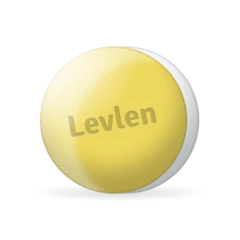
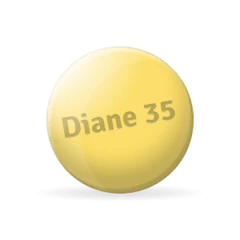
Ethinylestradiol is a synthetic oestrogen used in combined oral contraceptives, most recognisably Levlen and Yaz, to prevent pregnancy. This catalogue lists those two along with Diane 35 and four more brands, spanning five different progestogen partners.

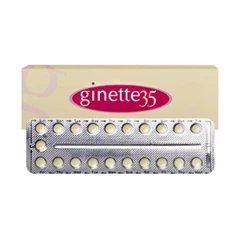
Ginette-35
Androgen-dependent Acne, Hirsutism
0.035mg + 2mg
Cyproterone acetate and ethinylestradiol tablets for hormonal acne and excess hair. The cyproterone blocks the action of male hormones on skin.
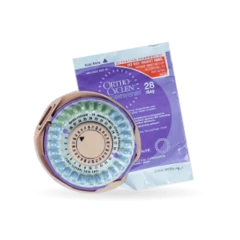
Ortho Tri-cyclen
Contraception, Acne Vulgaris
0,25mg/ 0,035mg
Norgestimate and ethinylestradiol tablets for contraception and acne. It stops ovulation and thickens cervical mucus to block sperm.
Key points
- Combined oral contraceptives raise the risk of venous thromboembolism, such as deep vein thrombosis and pulmonary embolism, and the label puts the rate at 3 to 9 cases per 10,000 woman years in users.
- The boxed warning says cigarette smoking increases the risk of serious heart and blood vessel problems from combined pills, with the risk rising with age and cigarette count, so these products are not suitable for women over 35 who smoke.
- Ethinylestradiol is absorbed well from the gut, but first-pass processing in the gut wall and liver, largely through the enzyme CYP3A4, leaves only about 43% reaching general circulation, and how much CYP3A4 a person has varies widely enough to explain differences in that processing.
- The seven products in this catalogue pair ethinylestradiol with five different progestogens: levonorgestrel, drospirenone, cyproterone acetate, norgestimate and desogestrel.
What Ethinylestradiol is used for
Five of the seven brands in this catalogue are combined pills for Contraception, preventing pregnancy when taken as directed. Diane 35 and Ginette-35 pair ethinylestradiol with cyproterone acetate instead, for Androgen-dependent Acne and hirsutism rather than for contraception.
Brands and forms in this catalogue
All seven products here are ethinylestradiol tablets rather than patches, rings or injections. Bayer owns the Levlen, Yaz and Diane 35 brands, Janssen Pharmaceuticals originated Ortho Tri-cyclen, and Organon originated Desogen and Mircette. Ginette-35 is manufactured by Cipla Ltd and carries the same active ingredients and strength as Diane 35: cyproterone acetate 2mg with ethinylestradiol 0.035mg. Desogen and Mircette also share a progestogen partner, desogestrel, at the same two strengths. Several brands exist because they pair ethinylestradiol with one of five different progestogens, licensed for different uses; browsing Women’s Health shows the other hormonal options alongside them.