Skip to content

Hydroxyzine

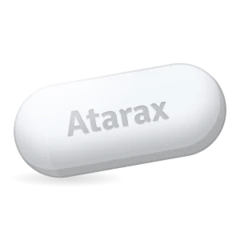
Hydroxyzine is an antihistamine, sold under names including Atarax. Its label covers use in pruritus and in anxiety, which is why the same medicine turns up in two settings that seem unrelated. It is a sedating antihistamine, and that sedation is the fact that shapes how it is used.

Atarax

Generalised Anxiety Disorder, Pruritus

10mg · 25mg

Formulated to alleviate severe pruritus and tension to support physical rest and target central arousal systems.

From$0.66/ tabletView

Key points

  • The label warns that since drowsiness may occur with this medicine, patients should be cautioned against driving a car or operating dangerous machinery while taking it.
  • Dose selection in older patients should be cautious, usually starting at the low end of the dosing range, reflecting the greater frequency of decreased hepatic, renal or cardiac function, and of concomitant disease or other drug therapy.
  • Because older patients are more likely to have decreased renal function, care should be taken in dose selection.
  • It is contraindicated in patients who have shown a previous hypersensitivity to it.

How it works

Hydroxyzine is an antihistamine that crosses into the central nervous system readily, which is what produces both its effect on itch and its sedative effect. Newer antihistamines such as desloratadine were developed to reduce that central effect, which is the practical reason a prescriber picks one generation over the other for daytime use.

Safety specific to hydroxyzine

Drowsiness. The label’s instruction is direct: since drowsiness may occur with use of this drug, patients should be warned of this possibility and cautioned against driving a car or operating dangerous machinery while taking it. This is not an incidental side effect note. It is the main practical limitation of the medicine, and it is the reason a sedating antihistamine and a non-sedating one are not interchangeable even when both treat the same itch.

Older patients. The label asks that dose selection for an elderly patient be cautious, usually starting at the low end of the dosing range, reflecting the greater frequency of decreased hepatic, renal or cardiac function, and of concomitant disease or other drug therapy. It adds that because elderly patients are more likely to have decreased renal function, care should be taken in dose selection. The label also records that other reported clinical experience has not identified differences in responses between elderly and younger patients, so the caution is about physiology and co-medication rather than about a different drug effect.

Hypersensitivity. Hydroxyzine is contraindicated in patients who have shown a previous hypersensitivity to it.

When to seek urgent care

The label describes general supportive care, including frequent monitoring of vital signs and close observation, as the response to overdose. Excessive sedation, confusion or difficulty rousing someone who has taken hydroxyzine warrants medical attention rather than waiting for it to wear off.

Further reading

Related articles