Skip to content

Ivermectin

Ivermectin is an anthelmintic, derived from avermectins that are isolated from fermentation of the bacterium Streptomyces avermitilis. Ivermectin tablets are indicated for intestinal, nondisseminated strongyloidiasis caused by the nematode parasite Strongyloides stercoralis, according to the US prescribing information for ivermectin tablets.

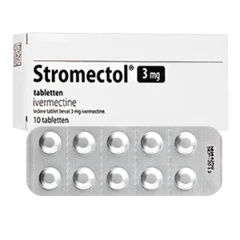
Stromectol

Strongyloidiasis, Onchocerciasis

3mg · 6mg · 12mg

Formulated to alleviate internal parasitic infections to support physiological clearing and target microfilarial membranes.

From$1.89/ tabletView

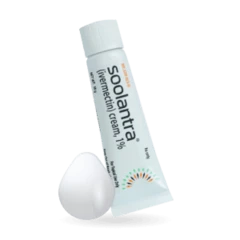
Soolantra

Rosacea Inflammatory Lesions

30g

Indicated to address rosacea lesions to manage facial redness and alleviate regional inflammatory breakouts.

From$23.40/ tubeView

Key points

  • The plasma half life of ivermectin is about 12 hours, and its metabolites remain in the body for about 3 days.
  • A study using human liver microsomes suggests that the enzyme cytochrome P4503A4 is the main pathway responsible for metabolising ivermectin in the liver.
  • Drug related headache and muscle pain (myalgia) have each been reported in under 1 in 100 patients, at 0.2% and 0.4% respectively.

How it works

Ivermectin binds selectively and with high affinity to glutamate-gated chloride ion channels found in invertebrate nerve and muscle cells, according to the UK product information for Ivermectin 3mg tablets. This increases the permeability of the cell membrane to chloride ions, with hyperpolarisation of the nerve or muscle cell, resulting in paralysis and death of the parasite. Ivermectin also interacts with other ligand-gated chloride channels, such as those gated by the neurotransmitter gamma-aminobutyric acid (GABA). Mammals do not have glutamate-gated chloride channels.

Safety specific to Ivermectin

  • Ivermectin tablets are contraindicated in patients who are hypersensitive to any component of the product, or to the active substance or any of its excipients.
  • In immunocompromised patients being treated for intestinal strongyloidiasis, effectiveness and the treatment regimen have not been established by adequate clinical studies, and infestation has been reported to persist in this group after treatment with ivermectin.

When to seek urgent care

Neurological toxicity, including a depressed level of consciousness and coma, has been reported in patients taking ivermectin, even when there is no Loa loa infection present. These events have generally resolved with supportive care and discontinuation of ivermectin.

Further reading

Related articles