Low Dose Naltrexone Capsules
Fibromyalgia
1.5mg
Naltrexone capsules for fibromyalgia and fatigue in multiple sclerosis. This low dose is far below the addiction-treatment amount.
From$2.13/ capsuleView
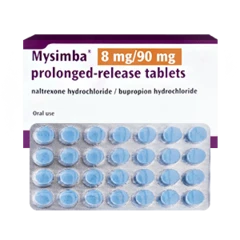
Naltrexone (Revia) is an opioid antagonist listed for alcohol dependence and opioid dependence. This catalogue lists it as Revia, Naltrexone Tablets and a low-dose capsule, plus the Mysimba combination with bupropion for weight management.
Fibromyalgia
1.5mg
Naltrexone capsules for fibromyalgia and fatigue in multiple sclerosis. This low dose is far below the addiction-treatment amount.
Alcohol Dependence, Opioid Dependence
50mg
Naltrexone tablets for alcohol and opioid dependence. It blocks the rewarding effects of these substances to reduce the urge to drink or use.
Revia and Naltrexone Tablets are listed for Alcohol Dependence and for Opioid Dependence, where naltrexone blocks the effects of opioids taken from outside the body. Mysimba, which pairs naltrexone with bupropion, has a separate on-label use: weight management in adults who meet a body-mass-index threshold, alongside a reduced-calorie diet and increased physical activity. The low-dose capsule in this catalogue is separately listed against fibromyalgia and multiple sclerosis-associated fatigue.
Revia’s originator is DuPont Pharmaceuticals, while Naltrexone Tablets is an unbranded generic version of the same tablet; both sit in this catalogue’s Addiction Recovery category. Mysimba, whose originator is Orexigen Therapeutics, pairs naltrexone with bupropion for weight management rather than dependence, and in the UAE this combination is also listed under the brand name Contrave.
The naltrexone label notes cases of hepatitis and clinically significant liver problems during clinical trials and after the medicine’s launch. It advises seeking medical attention and stopping naltrexone if symptoms of acute hepatitis appear.
Because Mysimba contains bupropion, its label links the combination to a higher rate of suicidal thinking and behaviour seen in younger patients during trials, and notes that suicidal thoughts have been reported in patients of all ages since launch. It calls for close supervision, especially early in treatment and after dose changes.