
Chemotherapy-induced Nausea and Vomiting
Chemotherapy-induced Nausea and Vomiting is a common side effect of cancer treatment where nausea and vomiting occur after chemotherapy. It can affect patients differently and is managed with anti-emetic medicines.

Key points
- Chemotherapy-induced Nausea and Vomiting occurs when chemotherapy drugs trigger the vomiting reflex, causing nausea and vomiting that may begin within hours of treatment.
- The condition can affect people receiving chemotherapy to treat cancer, with symptoms varying in severity from mild queasiness to repeated episodes.
- Anti-emetic medicines are used to help prevent and control nausea and vomiting associated with chemotherapy treatment.
Medicines listed for Chemotherapy-induced Nausea and Vomiting
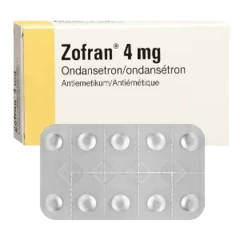
The listed products contain ondansetron and granisetron, both anti-emetics that work by blocking serotonin signals involved in nausea and vomiting. Ondansetron and Granisetron are available as tablets in different strengths.
Further reading
- Nausea and Vomiting Related to Cancer Treatment (PDQ®) - NCI
- Anti-emetics in haemato-oncology patients with chemotherapy induced nausea and vomiting (CINV) (280) | Right Decisions - NHS Scotland
- Anti-emetic guidelines for the prophylaxis of Chemotherapy and Radiotherapy induced nausea and vomiting in ADULTS - Thames Valley Cancer Alliance