
Miscarriage
A miscarriage is the loss of a pregnancy in its early weeks. Sometimes the body passes the pregnancy tissue by itself; sometimes a scan shows the pregnancy has stopped but the tissue is still in the womb. The options then are waiting, a short procedure, or a medicine that helps the womb empty.
Medicine used to treat Miscarriage
Key points
- Misoprostol makes the womb contract so the tissue comes away, usually at home.
- A doctor confirms the pregnancy has ended, normally by ultrasound, before it is used, and sets the dose.
- Soaking a pad every hour, or pain that painkillers do not control, needs an emergency department.
Common questions about Miscarriage
What happens after taking misoprostol?
Cramps and bleeding heavier than a period usually start within a few hours. Clots may pass, and the pregnancy tissue may be in one of them; once it has passed, the bleeding and pain ease. Light bleeding can continue for two to three weeks. Nausea, diarrhoea, shivering and hot flushes are common.
How do I know the miscarriage is complete?
A follow-up call or visit, often with a home pregnancy test about two weeks later, checks this. If tissue remains, the doctor discusses other options, including a procedure.
Is this the same medicine used for abortion?
Yes. Misoprostol, usually taken after mifepristone, is also used to end an early pregnancy that is still continuing. That needs its own checks, set out on the Cytotec page. Never take misoprostol in a pregnancy you want to continue.
Which medicine is listed?
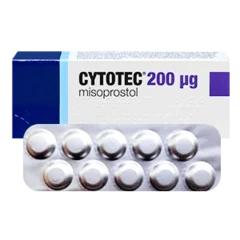
Cytotec contains misoprostol in 100mcg and 200mcg tablets. It is listed under Women’s Health and Digestive Health.
Further reading
Last updated
Related articles

3 Nov 2026 ⋅ 8 min read
Why Misoprostol Became the Pill Women Pass Along in Muslim Countries
An ulcer tablet from 1980s Brazil became the way many women in Muslim countries end an early pregnancy. The study, the law, the 120-day line and the stories behind it.
Read guide