
Baclofen
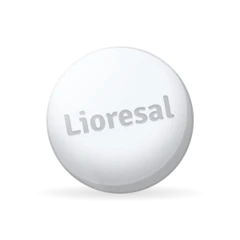
Baclofen (Lioresal) is used for spasticity and muscle spasms. This listing brings together Lioresal and Baclosign, two single-ingredient tablet medicines containing baclofen.

Key points
- Baclofen is a skeletal muscle relaxant that acts on nerves in the spinal cord.
- Lioresal and Baclosign are listed as tablets in the same 10 mg and 25 mg strengths.
- Stopping baclofen abruptly can cause serious symptoms, and drowsiness is an important practical precaution.
What baclofen is used for
Baclofen is used for Spasticity linked to multiple sclerosis and spinal cord conditions. It can reduce the number and severity of Muscle Spasms by acting on spinal cord nerves.
Further reading
Related articles
29 Jul 2026 ⋅ 8 min read
Baclofen: What It Treats, the Drowsiness, and Why You Never Stop It Suddenly
Baclofen is a muscle relaxant for spasticity, most often from multiple sclerosis. Drowsiness affected up to 63% of people in trials, and hallucinations and seizures have occurred on abrupt withdrawal.
Read guide