Skip to content

Brimonidine

Brimonidine is an alpha-2 adrenergic receptor agonist used in eye drops to lower pressure inside the eye. The evidence gathered here describes it as one of two active substances in Combigan, where it is combined with the beta-blocker timolol maleate, and used to bring down elevated eye pressure whether or not that pressure is caused by glaucoma. Lowering that pressure matters because the label ties higher eye pressure to a greater likelihood of the optic nerve damage and visual field loss that glaucoma causes.

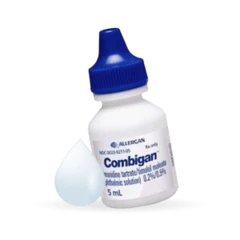
Combigan

Open-angle Glaucoma, Ocular Hypertension

0.2% + 0.5%

Developed to mitigate elevated intraocular pressure to support visual field preservation and target fluid outflow.

From$34.17/ bottleView

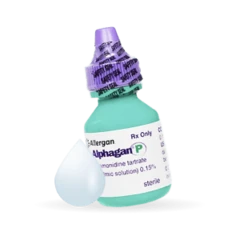
Alphagan

Open-angle Glaucoma, Ocular Hypertension

5ml

Formulated to alleviate ocular pressure to target optic nerve protection and support visual integrity.

From$41.90/ bottleView

Key points

  • Once absorbed from the eye into the bloodstream, brimonidine’s systemic half-life is about three hours, measured in a crossover study in healthy volunteers.
  • Allergic conjunctivitis, an allergic-type eye reaction, was seen in 5.2% of patients using this combination, and reactions such as conjunctival redness, itching and stinging occurred in five to fifteen per cent of patients across twelve-month trials.
  • This combination must not be used in newborns or infants under two years old, and children aged two to seven, or weighing 20kg or less, need close monitoring because of how often and how severely it can cause drowsiness.

How it works

Brimonidine tartrate is described as an alpha-2 adrenergic receptor agonist around a thousand times more selective for the alpha-2 receptor than the alpha-1 receptor. In Combigan it is paired with timolol maleate, a non-selective beta-adrenergic receptor inhibitor, and the Combigan prescribing information describes the two substances as lowering elevated eye pressure by complementary mechanisms, giving a greater reduction than either gives on its own, whether or not that pressure is associated with glaucoma.

Safety specific to brimonidine

This product also carries timolol, and although it is applied to the eye, the Combigan SmPC and US label both note that it can be absorbed into the bloodstream, so the same kinds of reactions seen with systemic beta-blockers can occur here too. Severe respiratory reactions, including death from bronchospasm, have been reported in people with asthma following systemic or ophthalmic use of timolol maleate, and this medicine is contraindicated in bronchial asthma, a history of bronchial asthma, and severe chronic obstructive pulmonary disease; people with milder chronic obstructive pulmonary disease, or a history of bronchospastic disease, should in general not use it either.

The same systemic absorption affects the heart. It is contraindicated in sinus bradycardia, second or third degree atrioventricular block, overt cardiac failure and cardiogenic shock. In people without a prior history of heart failure, continued beta-blockade over time can, in some cases, lead to cardiac failure, and the label advises stopping the medicine at the first sign or symptom of it.

Two groups need particular care. This medicine must not be used in neonates and infants under two years old. In children from two to seven years old, or weighing 20kg or less, the label calls for caution and close monitoring because of a high incidence and severity of drowsiness, and safety and effectiveness have not been established in children and adolescents aged two to seventeen. Anyone with diabetes, especially those taking insulin or oral hypoglycaemic medicines, should also be aware that the beta-blocker component may mask the usual warning signs of a hypoglycaemic episode.

People with a history of severe allergic reactions to a range of allergens may react more strongly to repeat exposure while taking a beta-blocker, and if they then have an anaphylactic reaction, the usual doses of epinephrine used to treat it may not work as well.

Because the medicine may lower blood pressure, caution is advised when using it alongside other blood-pressure-lowering medicines or cardiac glycosides, and using it together with another topical beta-blocker eye drop is not recommended. The label also flags the possibility of an additive or potentiating effect with central nervous system depressants such as alcohol, barbiturates, opioids, sedatives or anaesthetics, even though specific interaction studies have not been done, and it is contraindicated in people taking monoamine oxidase inhibitors, which may theoretically interfere with brimonidine’s own breakdown in the body and increase side effects such as low blood pressure.

There have been reports of bacterial keratitis linked to contaminated multi-dose eye drop bottles, usually in patients who already had corneal disease or a break in the eye’s surface, so care with the bottle matters most for anyone whose eye surface is already compromised.

There are no adequate data on using this brimonidine and timolol combination, or brimonidine tartrate alone, in pregnant women, and it should not be used during pregnancy unless clearly necessary. Animal studies have shown reproductive toxicity, but only at doses high enough to be toxic to the mother animal. For a plain-language overview alongside the technical label, see MedlinePlus’s brimonidine ophthalmic drug information.

Further reading