
Ocular Hypertension
Ocular hypertension means pressure inside the eye is higher than normal because fluid at the front of the eye does not drain as it should. It may not cause noticeable symptoms.


Key points
- Glaucoma is different from ocular hypertension because it involves damage to the optic nerve and may lead to vision loss.
- Glaucoma risk can be higher with raised eye pressure, although many people with ocular hypertension do not develop glaucoma.
- Risk factors for glaucoma can differ between people, so raised pressure is considered alongside other eye findings.
- Research has examined whether lowering pressure early can help prevent glaucoma in people at greater risk.
Medicines listed for Ocular Hypertension
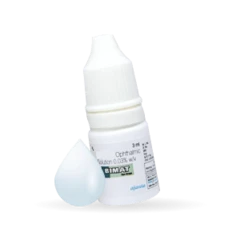
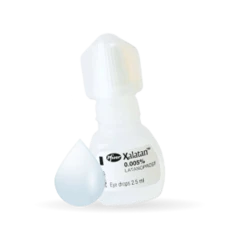
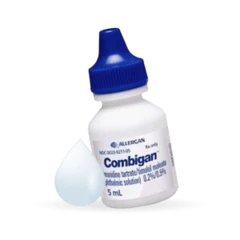
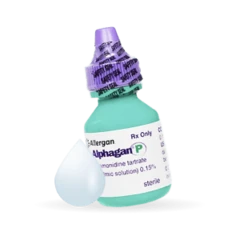
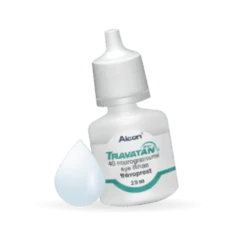
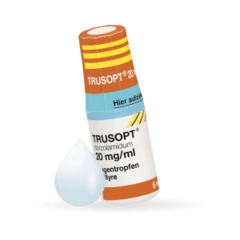
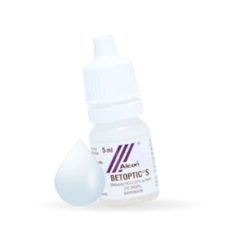
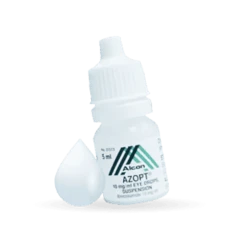
The listed products contain bimatoprost, latanoprost, timolol, dorzolamide and brimonidine, alongside travoprost, betaxolol and brinzolamide. These medicines include prostaglandin analogues, beta blockers, alpha agonists and carbonic anhydrase inhibitors, as well as fixed combinations. Timolol and Dorzolamide are among the ingredients represented for managing intraocular pressure and eye pressure.