
Glimepiride
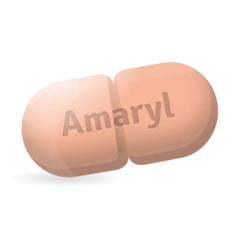
Glimepiride (Amaryl) is used to lower blood sugar in people with type 2 diabetes. This catalogue includes Amaryl and Glucophage Trio, both listed here as tablets.

Glucophage Trio
Type 2 Diabetes Mellitus
1mg + 0.2mg + 500mg
Glimepiride and metformin tablets for type 2 diabetes. Glimepiride triggers insulin release, metformin cuts the liver's sugar output.
Key points
- Hypoglycaemia can be severe with glimepiride.
- Reported hypersensitivity reactions include anaphylaxis, angioedema and Stevens-Johnson syndrome.
- Oral miconazole taken alongside glimepiride can cause severe hypoglycaemia.
Brands and forms in this catalogue
Glimepiride is a sulphonylurea. Amaryl contains it alone, while Glucophage Trio combines it with metformin and voglibose. Both listed products are tablets in Diabetes Management.
Further reading
Related articles

5 Aug 2026 ⋅ 9 min read
Ramadan and Your Medication: Timing, Fasting and What Not to Stop
Fasting changes when you take most medicines, not whether you need them. What to raise with your doctor before Ramadan, which medicines carry real risk during a fast, and why stopping a chronic medicine quietly is the dangerous option.
Read guide
5 Aug 2026 ⋅ 9 min read
Type 2 Diabetes: Why Early Diagnosis Matters More Than It Sounds
Type 2 diabetes symptoms can be mild enough to go unnoticed for years, so it is often diagnosed after complications have already started. What to watch for, what the treatments do, and why more than half of people with diabetes take no medication for it.
Read guide