Levothyroxine
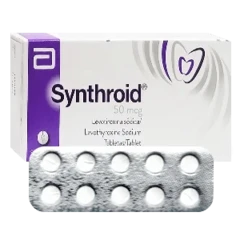
Levothyroxine (T4) is one of the two active hormones the thyroid gland depends on for its main hormone activity, alongside tri-iodothyronine (T3), according to the electronic medicines compendium’s summary of product characteristics for Levothyroxine 100mcg tablets. It is used as replacement therapy in adults and children, including neonates, with primary, secondary or tertiary congenital or acquired hypothyroidism, as set out in the SYNTHROID prescribing information. It is also used, together with surgery and radioiodine therapy, to manage thyrotropin-dependent well-differentiated thyroid cancer, and to suppress pituitary thyroid-stimulating hormone (TSH) secretion.
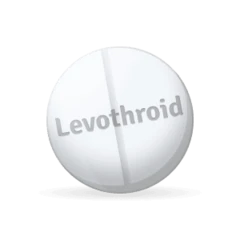
Levothroid
Hypothyroidism
25mcg · 50mcg · 75mcg · 100mcg · 112mcg · 125mcg · 200mcg
Formulated to alleviate hormone deficiencies to support baseline metabolic activity and target systemic lethargy.
Key points
- For secondary or tertiary hypothyroidism, a TSH blood test is not a reliable way of judging whether treatment is at the right level, and should not be used to monitor treatment.
- Tablets contain no ingredients derived from a gluten-containing grain such as wheat, barley or rye.
- Familial abnormalities in thyroxine-binding globulin (TBG) occur, with TBG deficiency affecting approximately 1 in 9000 people.
How it works
The chief action of thyroid hormones is to increase the rate of cell metabolism. They exert this effect through control of DNA transcription and protein synthesis: triiodothyronine (T3) and L-thyroxine (T4) diffuse into the cell nucleus and bind to thyroid receptor proteins attached to DNA, and this hormone nuclear receptor complex activates gene transcription and the synthesis of messenger RNA and cytoplasmic proteins. Most of this physiological action comes from T3, around 80% of which is derived from T4 by deiodination in peripheral tissues.
Safety specific to Levothyroxine
Thyroid hormones, including SYNTHROID, should not be used, either alone or with other therapeutic agents, for the treatment of obesity or for weight loss. In euthyroid patients (patients whose thyroid function is otherwise normal), doses within the range of daily hormonal requirements are ineffective for weight reduction. Larger doses may produce serious or even life-threatening manifestations of toxicity, particularly when given in association with sympathomimetic amines such as those used for their appetite-suppressing (anorectic) effects.
Levothyroxine has a narrow therapeutic index. Overtreatment or undertreatment can have negative effects on growth and development, cardiovascular function, bone metabolism, reproductive function, cognitive function, gastrointestinal function, and glucose and lipid metabolism in adults or children. In children with congenital or acquired hypothyroidism, undertreatment may adversely affect cognitive development and linear growth, and overtreatment is associated with craniosynostosis (premature fusion of the skull bones) and acceleration of bone age.
In elderly patients and those with cardiovascular disease, over-treatment with levothyroxine may increase heart rate, cardiac wall thickness and cardiac contractility, and may precipitate angina or arrhythmias. Cardiac arrhythmias are monitored for during surgical procedures in patients with coronary artery disease who are receiving suppressive levothyroxine therapy.
In people with diabetes mellitus, starting levothyroxine therapy may worsen glycaemic control and increase antidiabetic agent or insulin requirements, so glycaemic control is carefully monitored after starting, changing or stopping treatment. Levothyroxine over-replacement can increase bone resorption and decrease bone mineral density, particularly in post-menopausal women. Regular monitoring of thyroid-stimulating hormone (TSH) during long-term treatment guards against the effects of undetected overtreatment, such as atrial fibrillation and fractures linked to low TSH levels in older patients.
Further reading
Related articles

28 Jul 2026 ⋅ 9 min read
Ramadan and Your Medication: Timing, Fasting and What Not to Stop
Fasting changes when you take most medicines, not whether you need them. What to raise with your doctor before Ramadan, which medicines carry real risk during a fast, and why stopping a chronic medicine quietly is the dangerous option.
Read guide
28 Jul 2026 ⋅ 8 min read
Storing Medicine in a Gulf Summer: What the Label Actually Requires
Most medicines are licensed to be stored below 25°C, and a UAE summer runs well past that. Which medicines fail first in the heat, which ones make heat itself riskier, and what to do about deliveries, cars and travel.
Read guide
28 Jul 2026 ⋅ 8 min read
Thyroid Problems: Why the Symptoms Are So Easy to Explain Away
An underactive thyroid causes tiredness, weight gain and feeling cold, symptoms mild enough to attribute to almost anything. What the blood tests measure, why levothyroxine is usually lifelong, and why the dose needs checking.
Read guide