Skip to content

Lidocaine

Lidocaine hydrochloride injection is a local anaesthetic given by injection to produce numbness in an area of the body. It is used for local or regional anaesthesia or analgesia during surgery, dental and oral surgery procedures, diagnostic and therapeutic procedures, and obstetric procedures. This page describes the injectable solution specifically; other lidocaine preparations are labelled separately and are not covered here.

Hiforce Delay Spray

Premature Ejaculation

5%

Utilised to manage rapid male climax to support intimate duration and alleviate physical sensitivity.

From$19.40/ sprayView

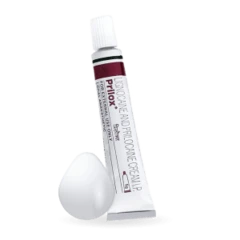
Prilox Cream

Cutaneous Localised Anaesthesia

2.5% + 2.5% 30g

Developed to mitigate local skin sensitivity to support minor medical procedures and alleviate procedural pain.

From$21.50/ tubeView

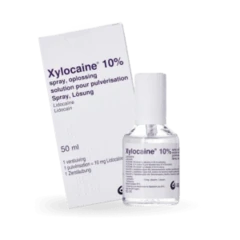
Xylocaine

Local Anaesthesia, Pain Relief

50gm

Indicated to address localised sensory pain to relieve tissue sensitivity and support minor medical procedures.

From$5.00/ tubeView

Key points

  • Given as an intravenous bolus, lidocaine hydrochloride has an elimination half life typically of 1.5 to 2 hours.
  • Around 90% of an administered dose is excreted as metabolites, with less than 10% excreted unchanged by the kidneys.
  • In a survey of epidural anaesthesia studies, toxicity progressing to convulsions occurred in around 0.1% of local anaesthetic administrations.
  • Dental injections have been linked to reported paraesthesia, that is, numbness or tingling, of the lips, tongue and oral tissues.

How it works

Lidocaine hydrochloride injection works by stabilising the neuronal membrane. It blocks the ionic currents that nerves need to start and carry impulses, which produces the local anaesthetic effect. This mechanism is described in the FDA prescribing information for lidocaine hydrochloride injection.

Safety specific to lidocaine hydrochloride injection

  • It should not be given to anyone with a known hypersensitivity to lidocaine, to other amide type local anaesthetics, or to any other component of the injection.
  • Careful and constant monitoring of cardiovascular and respiratory vital signs and the patient’s level of consciousness is called for after injection, because early signs of central nervous system toxicity include restlessness, anxiety, incoherent speech, lightheadedness, numbness and tingling of the mouth and lips, a metallic taste, tinnitus, dizziness, blurred vision, tremors, twitching, central nervous system depression or drowsiness.
  • Methemoglobinemia has been reported with local anaesthetic use. All patients are considered at risk, but people with glucose-6-phosphate dehydrogenase deficiency, congenital or idiopathic methemoglobinemia, cardiac or pulmonary compromise, infants under 6 months of age, or concurrent exposure to oxidising agents or their metabolites are described as more susceptible.
  • Giving lidocaine hydrochloride injection to someone taking monoamine oxidase inhibitors or tricyclic antidepressants may cause severe, prolonged hypertension, so concurrent use of these agents should generally be avoided.
  • Anaphylactic reactions may occur after lidocaine hydrochloride is given, so it should be used with caution in anyone with known drug sensitivities.
  • An intramuscular injection of lidocaine HCl may raise creatine phosphokinase levels on a blood test, which may compromise the use of that test, without isoenzyme separation, to check for a heart attack.

When to seek urgent care

Get urgent medical help if lidocaine hydrochloride injection is followed by restlessness, anxiety, incoherent speech, lightheadedness, numbness and tingling of the mouth and lips, a metallic taste, tinnitus, dizziness, blurred vision, tremors, twitching, drowsiness or a change in alertness, since these are described as possible early warning signs of central nervous system toxicity. Cutaneous lesions, urticaria, swelling or an anaphylactoid reaction are described as signs of an allergic reaction and also need urgent attention.

Further reading