
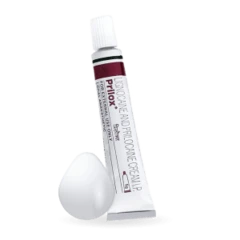
Prilox Cream
Lidocaine and prilocaine cream for numbing the skin before injections or small procedures. It is a topical anaesthetic, not a treatment for underlying conditions.
- Category
- Pain & Anti-inflammatories
- Active ingredients
- Lidocaine · Prilocaine
- Route
- Cutaneous use
- Form
- Cream
- Strengths
- 2.5% + 2.5% 30g
Prescription and consultation requirements for Prilox Cream vary by destination and are determined by the fulfilment partner.
Prilox Cream details
- Condition
- Cutaneous Localised Anaesthesia
- Alternative names
- lidocaine, prilocaine
- Therapeutic class
- Amide Local Anaesthetic Combination
- Pharmacological class
- Topical Anaesthetic
- Known off-label uses
- premature ejaculation
- Minor side effects
- local redness; burning sensation
- Moderate side effects
- skin pallor; itching; local oedema
- Dosage forms
- Cream
- Administration route
- Cutaneous use
- Supply category
- Pharmacy medicine (P), available from a pharmacist without a prescription
- Manufacturer
- Neon Laboratories
- Onset Time
- 1 hour
- Duration
- 2–4 hours
- Storage instructions
- Store below 30°C. Do not freeze.
- Drug interactions
- Class I Antiarrhythmics
- Age restrictions
- Approved for infants, children, and adults under clinical instruction.
Contraindications
congenital or idiopathic methaemoglobinaemia; hypersensitivity to amide anaesthetics
Serious side effects
severe methaemoglobinaemia, requires immediate medical attention; systemic local anaesthetic toxicity, requires immediate medical attention
Patient summary
Lidocaine and prilocaine cream for numbing the skin before injections or small procedures. It is a topical anaesthetic, not a treatment for underlying conditions.
Mechanism of action
Reversibly blocks local sodium channels inside dermal nerve endings, preventing pain signals from reaching central structures.
Pregnancy and breastfeeding
Pregnancy: Suitability during pregnancy depends on the specific medicine and individual circumstances. Confirm with a qualified clinician or pharmacist before use. Breastfeeding: Expelled in low amounts.