
Linagliptin
Linagliptin is a DPP-4 inhibitor used alongside diet and exercise to improve blood sugar control in type 2 diabetes, listed here as Glyxambi, Jentadueto Xr, Tradjenta and Jentadueto tablets.

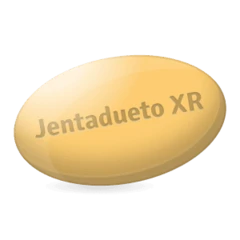
Jentadueto Xr
Type 2 Diabetes Mellitus
5mg + 1000mg
A linagliptin and metformin tablet for type 2 diabetes. Metformin cuts liver glucose output; linagliptin boosts insulin release after meals.

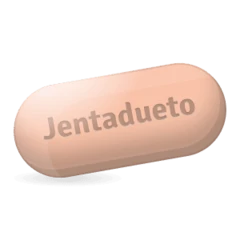
Jentadueto
Type 2 Diabetes Mellitus
2.5mg + 500mg
Linagliptin and metformin tablets for type 2 diabetes. The linagliptin part does not need dose adjustment in kidney disease.
Key points
- Linagliptin is a weak to moderate inhibitor of the CYP3A4 liver enzyme, though it does not affect the other cytochrome P450 enzymes tested, including CYP1A2, 2C9, 2C19 and 2D6.
- In linagliptin monotherapy trials, nasopharyngitis, diarrhoea and cough were reported more often than with placebo: nasopharyngitis in 7.0% of patients on linagliptin against 6.1% on placebo, diarrhoea in 3.3% against 3.0%, and cough in 2.1% against 1.4%.
- The catalogue lists linagliptin as a stand-alone tablet in Tradjenta, and combined with other diabetes medicines in Glyxambi, Jentadueto and Jentadueto Xr.
How linagliptin works
Linagliptin is a dipeptidyl peptidase-4 (DPP-4) inhibitor. It blocks the DPP-4 enzyme that normally breaks down hormones your gut releases after eating, so more of these hormones stay active in your blood. This prompts your pancreas to release insulin when your blood sugar is high and reduces how much sugar-raising hormone your liver puts out.
In Glyxambi, linagliptin is paired with empagliflozin, a diabetes medicine that works through the kidneys rather than the gut. The combination is indicated, alongside diet and exercise, to improve blood sugar control in adults with Type 2 Diabetes Mellitus. Linagliptin and its combination partners are grouped under Diabetes Management in this catalogue.
Safety signals linked to linagliptin
Acute pancreatitis, including fatal cases, has been reported in people taking linagliptin, and postmarketing reports continue to describe fatal pancreatitis with the medicine. In the CARMELINA clinical trial, two patients treated with linagliptin developed fatal acute pancreatitis.
Serious hypersensitivity reactions, including anaphylaxis, angioedema and exfoliative skin conditions, have also been reported, with onset mostly in the first three months of treatment and sometimes after just one dose.
Some people taking linagliptin have developed severe and disabling joint pain (arthralgia), starting anywhere from one day to several years after starting the medicine; symptoms eased once linagliptin was stopped.
Bullous pemphigoid, a blistering skin condition, occurred in 7 of the patients treated with linagliptin in the CARMELINA trial and in none of those on placebo. Postmarketing cases needing hospital treatment have also occurred, and people generally recovered once linagliptin was stopped and given immunosuppressive treatment.
Further reading
Related articles

5 Aug 2026 ⋅ 9 min read
Type 2 Diabetes: Why Early Diagnosis Matters More Than It Sounds
Type 2 diabetes symptoms can be mild enough to go unnoticed for years, so it is often diagnosed after complications have already started. What to watch for, what the treatments do, and why more than half of people with diabetes take no medication for it.
Read guide