Empagliflozin Tablets
10mg · 25mg
Empagliflozin tablets for type 2 diabetes and heart failure. They lower blood sugar by letting the kidneys remove it in urine.
From$4.68/ tabletView
Type 2 diabetes mellitus is a condition in which glucose builds up in the blood because insulin does not work properly or there is not enough of it. It mainly affects adults but can also occur in children.
10mg · 25mg
Empagliflozin tablets for type 2 diabetes and heart failure. They lower blood sugar by letting the kidneys remove it in urine.
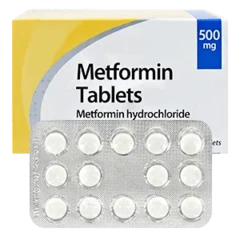
500mg · 850mg
Metformin tablets for type 2 diabetes. It reduces sugar output from the liver and helps the body respond better to its own insulin.
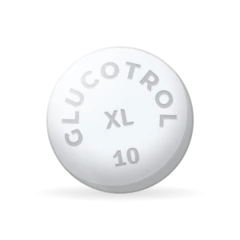
2.5mg · 5mg · 10mg
Glipizide extended-release tablets for type 2 diabetes. The prolonged release keeps the pancreas nudged to make insulin steadily, rather than in one short burst.
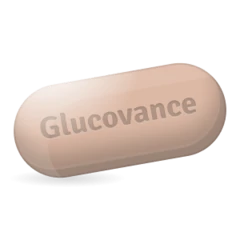
2.5mg + 400mg · 5mg + 500mg
Metformin and glibenclamide tablets for type 2 diabetes. The two drugs lower blood sugar by different routes, so one pill does the work of two separate ones.

5mg + 1000mg
A linagliptin and metformin tablet for type 2 diabetes. Metformin cuts liver glucose output; linagliptin boosts insulin release after meals.
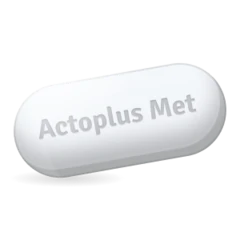
15mg + 500mg
Pioglitazone and metformin tablets for type 2 diabetes. The two ingredients work on different aspects of blood sugar control.

Glimepiride, Metformin, Voglibose
1mg + 0.2mg + 500mg
Glimepiride and metformin tablets for type 2 diabetes. Glimepiride triggers insulin release, metformin cuts the liver's sugar output.

2.5mg + 500mg
Linagliptin and metformin tablets for type 2 diabetes. The linagliptin part does not need dose adjustment in kidney disease.

50mg · 100mg
Sitagliptin tablets for type 2 diabetes. They belong to a class that boosts insulin release only when blood sugar is high.
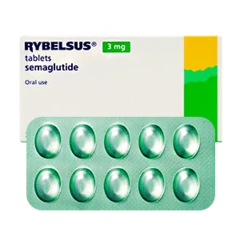
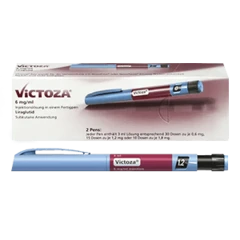
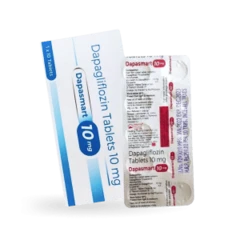
The listed products for type 2 diabetes include Metformin, a biguanide, and Linagliptin, a DPP-4 inhibitor. They also include SGLT2 inhibitors, sulfonylureas, thiazolidinediones, GLP-1 medicines and combination products. These medicine classes help manage diabetes by lowering blood glucose in different ways.
5 Aug 2026 ⋅ 9 min read
Fasting changes when you take most medicines, not whether you need them. What to raise with your doctor before Ramadan, which medicines carry real risk during a fast, and why stopping a chronic medicine quietly is the dangerous option.
Read guide
5 Aug 2026 ⋅ 9 min read
Type 2 diabetes symptoms can be mild enough to go unnoticed for years, so it is often diagnosed after complications have already started. What to watch for, what the treatments do, and why more than half of people with diabetes take no medication for it.
Read guide