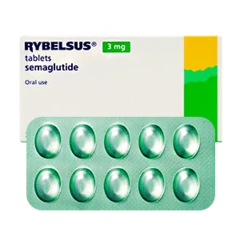
Semaglutide
Semaglutide is a GLP-1 receptor agonist used in type 2 diabetes. Its UK product information carries a warning on acute pancreatitis that names the symptom patients should act on, which makes it the practical centre of this page.
Key points
- Acute pancreatitis has been reported in patients treated with GLP-1 receptor agonists, including post-marketing reports of necrotising pancreatitis and reports with a fatal outcome.
- Patients should be informed of the symptoms of acute pancreatitis, including persistent, severe abdominal pain.
- Semaglutide has not been studied in patients with a history of pancreatitis, and should be used with caution in those patients.
How it works
Semaglutide is a GLP-1 receptor agonist, the same class as liraglutide. Medicines in this class act on the GLP-1 receptor to influence glucose handling and appetite. The class point matters here because the pancreatitis warning is framed against the class rather than against semaglutide alone.
Safety specific to semaglutide
Acute pancreatitis. The product information states that acute pancreatitis has been reported in patients treated with GLP-1 receptor agonists, and that this includes post-marketing reports of necrotising pancreatitis and reports with a fatal outcome. That is a strongly worded passage and it is not softened here.
What follows from it is actionable rather than abstract: patients should be informed of the symptoms of acute pancreatitis, including persistent, severe abdominal pain. Knowing that one symptom in advance is the difference between presenting early and waiting.
History of pancreatitis. Semaglutide has not been studied in patients with a history of pancreatitis and should be used with caution in these patients. The wording is precise: not studied, therefore caution, rather than a contraindication.
When to seek urgent care
Persistent, severe abdominal pain while taking semaglutide is the symptom the product information asks patients to be informed about, and it warrants urgent medical assessment rather than waiting to see whether it settles.
Further reading
Related articles

28 Jul 2026 ⋅ 9 min read
Type 2 Diabetes: Why Early Diagnosis Matters More Than It Sounds
Type 2 diabetes symptoms can be mild enough to go unnoticed for years, so it is often diagnosed after complications have already started. What to watch for, what the treatments do, and why more than half of people with diabetes take no medication for it.
Read guide