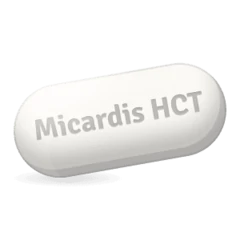
Micardis Hct
Hypertension
40mg + 12.5mg · 80mg + 12.5mg
Telmisartan and hydrochlorothiazide tablets for high blood pressure. One part relaxes blood vessels, the other removes extra fluid.
From$1.57/ tabletView
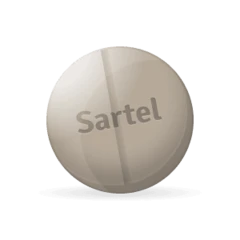
Telmisartan, the ARB in Micardis HCT, is used for high blood pressure. This listing includes Sartel tablets containing telmisartan alone and Micardis HCT tablets containing telmisartan with hydrochlorothiazide.
Hypertension
40mg + 12.5mg · 80mg + 12.5mg
Telmisartan and hydrochlorothiazide tablets for high blood pressure. One part relaxes blood vessels, the other removes extra fluid.
Sartel is listed as a tablet containing telmisartan alone. It is the single-ingredient medicine in this catalogue and is shown at a 40 mg strength, rather than a combination with another medicine.
Micardis HCT contains telmisartan and hydrochlorothiazide. The tablets are listed at 40 mg plus 12.5 mg and 80 mg plus 12.5 mg, so each strength includes both ingredients in the two attached listings.
Telmisartan medicine listings sit in Heart & Blood Pressure. Both Sartel and Micardis HCT are listed for Hypertension, while Sartel is also listed for Cardiovascular Risk Reduction.
22 Sept 2026 ⋅ 9 min read
High blood pressure has almost no symptoms, and a hot climate changes how some of its treatments behave. What the numbers mean, which medicines are affected by heat and dehydration, and what to check before summer.
Read guide