
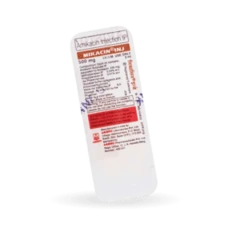
Mikacin Injection
Amikacin injection for bacterial infections and septicaemia. It stops bacteria from making the proteins they need to survive.
- Category
- Antibiotics
- Active ingredient
- Amikacin
- Route
- Intravenous use
- Form
- Injectable Solution
- Strengths
- 100mg per 2ml
Prescription and consultation requirements for Mikacin Injection vary by destination and are determined by the fulfilment partner.
Mikacin Injection details
- Conditions
- Bacterial Infections · Septicaemia · Urinary Tract Infections
- Alternative names
- amikacin
- Therapeutic class
- Aminoglycoside Antibiotic
- Pharmacological class
- Protein Synthesis Inhibitor
- Minor side effects
- nausea; headache; vomiting
- Moderate side effects
- mild proteinuria; vestibular dysfunction; rash
- Dosage forms
- Injectable Solution
- Administration route
- Intravenous use
- Supply category
- Prescription-only medicine (POM)
- Manufacturer
- Aristo Pharmaceuticals
- Onset Time
- 30 minutes
- Duration
- 12 hours
- Storage instructions
- Store below 25°C.
- Drug interactions
- Furosemide; Amphotericin B; Vancomycin
- Age restrictions
- Approved for infants, children, and adults.
Contraindications
history of aminoglycoside-induced ototoxicity; severe hypersensitivity to amikacin
Serious side effects
severe nephrotoxicity, requires immediate medical attention; permanent ototoxicity, requires immediate medical attention; neuromuscular blockade, requires immediate medical attention
Patient summary
Amikacin injection for bacterial infections and septicaemia. It stops bacteria from making the proteins they need to survive.
Mechanism of action
Binds to the 30S ribosomal subunit of susceptible bacteria, causing code translation errors that halt protein synthesis.
Pregnancy and breastfeeding
Pregnancy: High risk of congenital deafness in fetus. Avoid unless essential. Breastfeeding: Confirm breastfeeding suitability with a qualified clinician or pharmacist before use.