
Bacterial Infections
Bacterial infections occur when certain bacteria cause illness. They can affect the throat, lungs, skin or bowel, with symptoms varying by the part of the body involved.
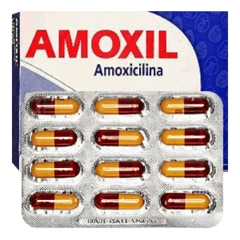



Vibramycin
100mg
Doxycycline capsules for bacterial infections, including chlamydia. It stops bacteria from making proteins they need to grow.
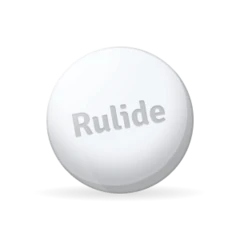
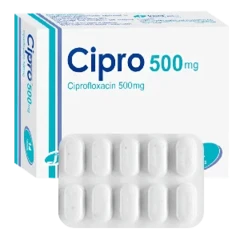

Erythromycin Tablets
250mg · 500mg
Erythromycin tablets for bacterial infections. They are a macrolide antibiotic, an option for those who cannot take penicillin.
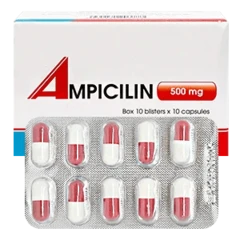
Ampicillin Capsules
250mg · 500mg
Ampicillin capsules for bacterial infections and bacterial meningitis. It is a broad-spectrum penicillin, covering a wider range of bacteria than penicillin itself.






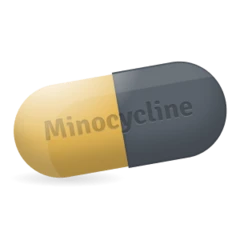
Minocycline Capsules
50mg · 100mg
Minocycline capsules for bacterial infections and acne. It reduces the inflammation that causes acne breakouts.


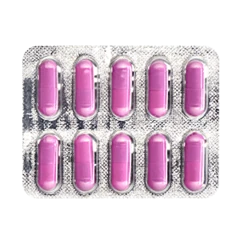
Clindamycin Tablets
150mg · 300mg
Clindamycin tablets for bacterial infections. It is often used for skin and soft tissue infections as well as bone infections.




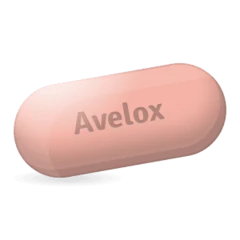
Cefaclor Tablets
250mg · 500mg
Cefaclor tablets for bacterial infections. It disrupts the bacterial cell wall, causing the cells to burst open rather than just stopping their growth.



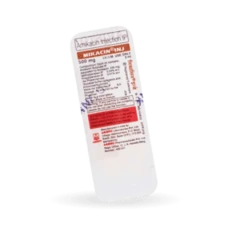
Mikacin Injection
100mg per 2ml
Amikacin injection for bacterial infections and septicaemia. It stops bacteria from making the proteins they need to survive.
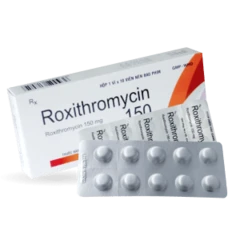
Roxithromycin Tablets
150mg
Roxithromycin tablets for bacterial and respiratory tract infections. It stops bacteria from making proteins they need to multiply.

Key points
- Most bacteria living in and on the body are harmless, but some types can cause an infection.
- Symptoms may include fever, tiredness and feeling generally unwell.
- Antibiotics either kill bacteria or stop them multiplying.
- Antibiotic resistance can develop through misuse, so antibiotics do not treat every infection.
Medicines listed for Bacterial Infections
The listed products span penicillin, cephalosporin, macrolide, tetracycline, fluoroquinolone and lincosamide antibiotics. They include Amoxicillin and Roxithromycin. Some products combine ingredients, while others have one active ingredient; the listed forms include tablets and capsules for bacterial infections.
Further reading
Related articles

22 Sept 2026 ⋅ 8 min read
Doxycycline: The Sunburn Risk, the Swallowing Rule, and Who Cannot Take It
Doxycycline causes an exaggerated sunburn reaction in some people, can ulcerate the gullet if taken lying down or without enough water, and permanently discolours developing teeth. What the label actually says.
Read guide
30 Jul 2026 ⋅ 9 min read
Antibiotics and Resistance: Why This Region Is Already Ahead of the Curve
One in three reported bacterial infections in the Eastern Mediterranean Region is already resistant to antibiotics, against one in six globally. What drives it, why antibiotics do nothing for colds and flu, and what an individual can actually change.
Read guide