Micardis Hct
Hypertension
40mg + 12.5mg · 80mg + 12.5mg
Telmisartan and hydrochlorothiazide tablets for high blood pressure. One part relaxes blood vessels, the other removes extra fluid.
From$1.57/ tabletView
Hydrochlorothiazide is a thiazide diuretic, usually combined with another blood pressure medicine to treat hypertension by lowering blood pressure. This catalogue lists it across 11 medicines, including Micardis Hct, Diovan Hct and Hyzaar, and 8 more.
Hypertension
40mg + 12.5mg · 80mg + 12.5mg
Telmisartan and hydrochlorothiazide tablets for high blood pressure. One part relaxes blood vessels, the other removes extra fluid.
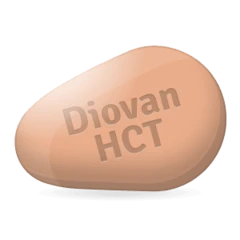
Hypertension
80mg + 12.5mg · 160mg + 12.5mg
Valsartan and hydrochlorothiazide tablets for high blood pressure. One part relaxes vessels, the other sheds extra fluid.

Hypertension
5mg + 12.5mg
Lisinopril and hydrochlorothiazide tablets for high blood pressure. The two ingredients lower it by different routes.

Hypertension
40mg + 12.5mg
Olmesartan medoxomil and hydrochlorothiazide tablets for high blood pressure. One part relaxes blood vessels while the other helps the body flush out excess fluid.
Ten of the eleven medicines here pair hydrochlorothiazide with a second blood pressure treatment, such as an angiotensin receptor blocker or ACE inhibitor, that works on a different part of the system. That combination is what treats Hypertension, and because lowering blood pressure this way also cuts the risk of stroke and heart attack, Hyzaar’s combination is listed for Stroke Prevention as well.
All 11 medicines here come as tablets, so what changes between them is strength and which second blood pressure medicine hydrochlorothiazide is paired with. Micardis Hct (with telmisartan), Diovan Hct (with valsartan) and Hyzaar (with losartan) are originator combinations from Boehringer Ingelheim, Novartis and Merck. Zestoretic, Ziac, Benicar Hct, Tribenzor, Moduretic, Avalide and Vaseretic are further originator combinations in this catalogue’s Heart & Blood Pressure category, pairing hydrochlorothiazide with lisinopril, bisoprolol, olmesartan, amiloride, irbesartan or enalapril. Hydrocl, made by Healing Pharma, is the catalogue’s only single-ingredient line, offering hydrochlorothiazide on its own rather than in combination, and is also listed for oedema alongside Moduretic.
22 Sept 2026 ⋅ 9 min read
High blood pressure has almost no symptoms, and a hot climate changes how some of its treatments behave. What the numbers mean, which medicines are affected by heat and dehydration, and what to check before summer.
Read guide