Skip to content

Tacrolimus

Tacrolimus is a calcineurin inhibitor prescribed to prevent the body’s immune system from rejecting a transplanted organ. As PROGRAF, it is supplied as a capsule, an injection and a granule for suspension, and is indicated for the prophylaxis of organ rejection in adult and paediatric patients receiving an allogeneic kidney transplant. This capsule, injection and granule label covers tacrolimus for transplant use; a separate topical formulation is not addressed here. General patient information is also available from MedlinePlus.

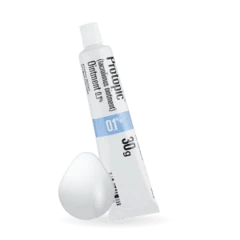
Protopic

Moderate to Severe Atopic Dermatitis

0.03% 10gm

Developed to mitigate severe eczematous lesions to support dermal barrier healing and target localised immune overactivity.

From$27.60/ tubeView

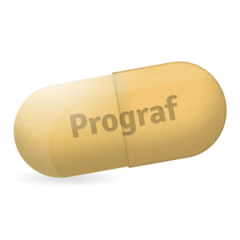
Prograf

Organ Transplant Rejection Prophylaxis

0.5mg · 1mg · 5mg

Intended to relieve transplant rejection risks to support physical organ viability and target immune responses.

From$3.34/ tabletView

Key points

  • PROGRAF carries a boxed warning: it increases the risk of serious infections and malignancies, and either may lead to hospitalisation or death.
  • Nephrotoxicity was reported in around 52% of kidney transplant patients treated with PROGRAF.
  • Tacrolimus is broken down mainly by the CYP3A4 and CYP3A5 enzymes.
  • PROGRAF is not interchangeable or substitutable with extended-release tacrolimus products; substitution and dispensing errors between the two have led to serious harm, including graft rejection, so any change between them needs physician supervision.

How it works

Tacrolimus binds an intracellular protein called FKBP-12, and the resulting complex with calcium, calmodulin and calcineurin blocks calcineurin’s phosphatase activity. This, in turn, stops factors such as NF-AT and NF-kB moving into the cell nucleus, and reduces production of cytokines including several interleukins, gamma interferon and tumour necrosis factor-alpha.

Safety specific to tacrolimus

Tacrolimus, taken as PROGRAF or another immunosuppressant, carries a boxed warning: an increased risk of developing serious infections and malignancies that may lead to hospitalisation or death.

The malignancy risk, particularly skin cancer, is related to the intensity and duration of immunosuppression rather than to any single agent. Patients are examined for skin changes, as is usual for anyone at increased risk of skin cancer, and are advised to limit sun and UV exposure with protective clothing and a high-factor, broad-spectrum sunscreen.

Serious infections can include bacterial, viral, fungal and protozoal infections, including opportunistic infections, and these may lead to serious, including fatal, outcomes.

Tacrolimus can also cause acute or chronic kidney damage through its effect on the blood vessels of the kidney. This usually reverses, though acute impairment can raise creatinine and potassium and reduce urea clearance.

Neurological effects range from tremor, tingling and headache to the most severe: posterior reversible encephalopathy syndrome (PRES), delirium, seizure and coma. Symptoms can relate to tacrolimus blood levels at or above the recommended range, so new neurological symptoms are monitored and may call for dosage reduction or stopping the medicine.

Several substances raise tacrolimus blood levels. Cannabidiol (CBD) is one: taking it alongside PROGRAF calls for close monitoring of tacrolimus blood levels and of any signs of tacrolimus toxicity. Grapefruit juice and nelfinavir raise tacrolimus concentrations by inhibiting the CYP3A enzyme that breaks it down, so taking either alongside PROGRAF is avoided. Clarithromycin, a strong CYP3A4 inhibitor, has caused a rapid, sharp rise in tacrolimus levels, so frequent monitoring of tacrolimus blood levels is recommended when the two are used together.

Tacrolimus can cause fetal harm when taken by a pregnant woman. Data suggest that infants exposed to tacrolimus before birth are at risk of prematurity, birth defects, low birth weight and fetal distress, so pregnant women are advised of the potential risk to the fetus. A pregnancy registry monitors outcomes in women exposed to PROGRAF during pregnancy.

Vaccines are best completed before starting tacrolimus whenever possible. Live vaccines are avoided during treatment, including but not limited to intranasal influenza, measles, mumps, rubella, oral polio, BCG, yellow fever, varicella and TY21a typhoid vaccines, and inactivated vaccines may not work as well while taking PROGRAF.

When to seek urgent care

Seek urgent medical care for dyspnoea, rash, itching or acute respiratory distress syndrome, which can signal a hypersensitivity reaction, or for delirium, seizure or coma, which can signal the neurotoxicity described above.

Further reading

Related articles