Key takeaways
- Heat and temperature changes can worsen eczema. The NHS lists them with soap, washing detergent, house-dust mites and some fabrics. The indoor-outdoor cycle here matters. NHS
- Use emollients to moisturise and to wash instead of soap. Continue even when the skin improves. Steroid creams, lotions and gels treat the inflammation. NHS
- Get urgent help for a suddenly worsening, painful or blistered flare. Crusting, leaking fluid, pus, swelling, warmth, fever or feeling unwell can indicate infection or eczema herpeticum. NHS
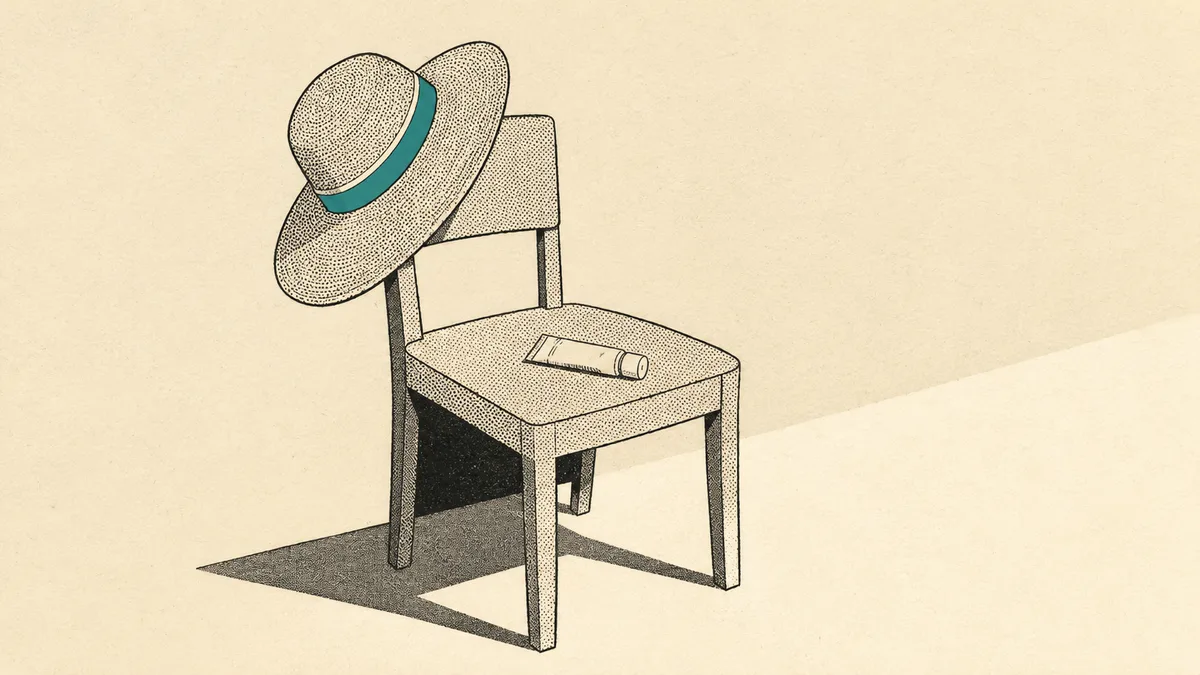
- Use a spoon or pump dispenser for an emollient pot. The NHS advises against dipping fingers into it or sharing emollients. NHS
- Avoid aqueous cream for eczema. The NHS says it can irritate the skin and make eczema worse. NHS
- Keep emollient-contaminated clothing and bedding away from flames. Emollients on fabrics can make them catch fire more easily, although the product is not flammable on the skin. NHS
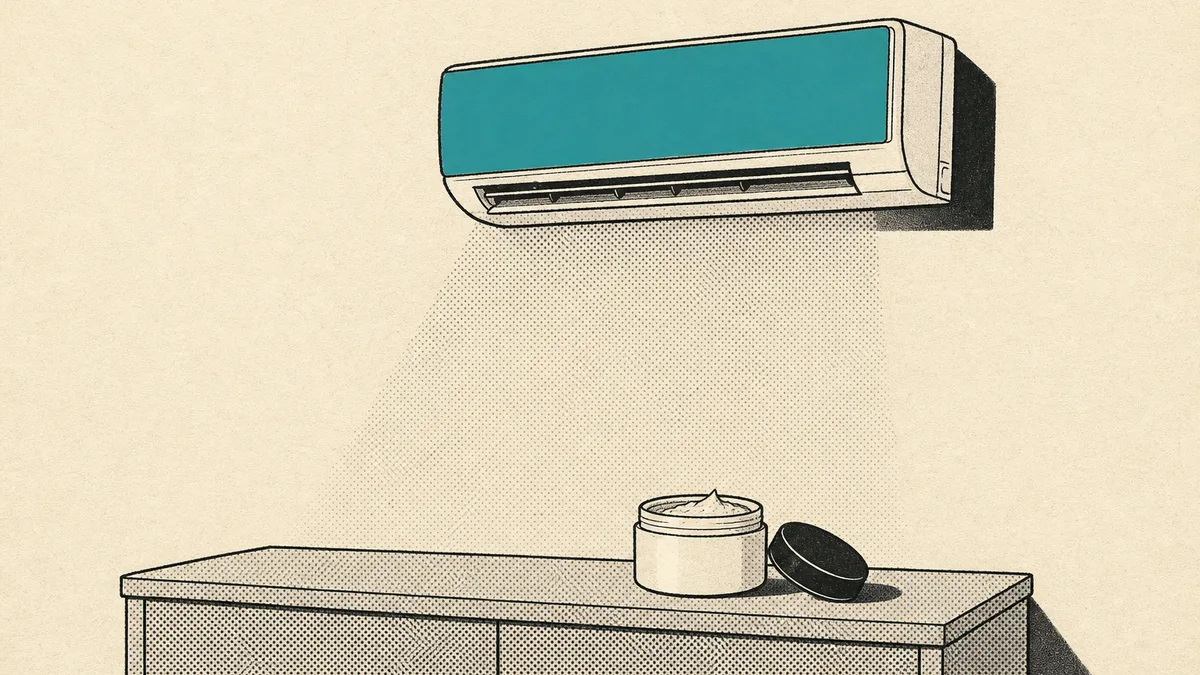
A day here can mean moving repeatedly from very hot outdoor air into cold, dry air conditioning. Heat and temperature changes are recognised eczema triggers. Treatment cannot cure atopic eczema, but it can manage it well; daily moisturising and the indoor environment both need attention.
What is atopic eczema, and how do I recognise it?
A common condition causing itchy skin, most common in young children but affecting all ages, with flare-ups and better periods.
The NHS describes atopic eczema (atopic dermatitis) as a common skin condition that causes itchy skin, affecting people of all ages but most common in young children. It cannot be cured, but treatment can help manage the symptoms, and symptoms tend to get better as you get older, although they can persist or return in adulthood. It is more likely if a parent has eczema, or if you or a close relative has asthma or hay fever.
It commonly appears on the elbows, knees and hands, and in babies and toddlers also on the face. There are usually times when symptoms worsen, called flare-ups, and times when they are better.
The NHS gallery shows grey-white dry patches behind the knees on dark-brown skin. Another photograph shows an inner elbow with darker and lighter areas, cracking and thickening. A light-brown hand has pink areas with white dry scales across the knuckles and fingers. Redness alone is a poor guide when comparing your skin with a photograph. NHS
Atopic eczema is not contagious. The NHS also lists contact dermatitis, discoid eczema, pompholyx and varicose eczema as other types of eczema. Its advice is to see a GP when treatment is not helping. NHS
Why does the climate here make it worse?
Heat, temperature changes and dry indoor air can all make the daily routine harder on eczema-affected skin.
The NHS lists things that can make atopic eczema worse:
- contact with an allergen or irritant such as soap, washing detergent, pets, some fabrics, pollen, house-dust mites or certain foods
- heat or changes in temperature
- skin infections, such as a staph infection
- stress and hormonal changes, including pregnancy. NHS
Two of those are unavoidable features of life here. Heat outside and cold dry air inside means repeated temperature change all day. And house-dust mites thrive in closed, air-conditioned homes with soft furnishings, which is most homes here.
That does not mean the climate causes eczema, which is largely genetic. It means the environment supplies more of the triggers than a temperate one does, and the practical response is to work on the triggers you can control.
Sweat is worth a mention of its own. Sweating under clothing in heat is a common flare trigger, so rinsing off after being outside and changing out of damp clothing is a small habit that pays.
What does treatment actually involve?
Emollients and topical steroids, in that order of foundation.
Emollients are moisturising creams, lotions, ointments and gels that you apply to your skin and wash with. That second part is the one most often missed: emollients replace soap, they do not just follow it. Ordinary soap and detergent are listed irritants, so continuing to use them while applying a moisturiser afterwards works against itself.
Emollients are used continuously, including when the skin looks fine. They are what keeps the barrier intact between flares, and in a drying indoor climate they need applying more often rather than less.
Topical corticosteroids are steroid creams, lotions or gels applied to the skin. These treat the inflammation of a flare. The common mistake is using too little for too short a time out of worry about steroids, which leads to flares that never quite settle and, in the end, more steroid use rather than less. Used at the right potency for the right duration, topical steroids are a standard treatment. In most cases undertreatment is the greater practical risk. Your prescriber decides potency and duration, especially for the face and for children.
Depending on severity there are other options including special dressings and medicines, and a GP can prescribe some treatments or refer to a dermatologist.
Calcineurin inhibitors such as tacrolimus are used on areas where prolonged steroid use is undesirable, such as the face, on medical advice.
When is a flare something more serious?
When there are signs of infection, and that is urgent rather than routine.
The NHS advises asking for an urgent GP appointment or getting help from NHS 111 if you or your child have atopic eczema together with a high temperature or feeling generally unwell. These can be signs that the eczema is infected, or of a more serious condition called eczema herpeticum, and treatment such as antibiotics may be needed.
Eczema herpeticum is a herpes virus infection of eczema-affected skin. It can spread quickly and is a genuine emergency. The pattern to recognise is eczema that suddenly worsens, becomes painful rather than only itchy, develops clustered blisters or punched-out sores, and comes with feeling unwell or feverish.
Do not respond to possible infection by applying more steroid. Get it assessed. The NHS urgent-review list also includes skin that is crusty, leaking fluid, pus-filled, swollen or warm, or a rash that suddenly spreads. NHS
Do and don’t
Do:
- Wash with an emollient instead of soap or shower gel, and keep moisturising between flares.
- Use a spoon or pump dispenser for emollients, as the NHS advises. Keep nails short; anti-scratch mittens can protect a baby’s skin. NHS
- Use non-biological detergent, rinse laundry thoroughly and wash bedding hot enough to reduce mites. Address dust in soft furnishings.
- Wear loose cotton rather than fabrics that trap sweat. Rinse and change after being outside in the heat; keep air-conditioning flow off your skin and consider bedroom humidity if the air is very dry.
- Use prescribed topical steroids for the instructed duration and get urgent help for fever with a worsening rash.
Don’t:
- Share emollients or put fingers into the pot. The NHS also advises against aqueous cream because it can worsen irritation. NHS
- Smoke or go near naked flames while using emollients. Product left on dressings, clothing or bedding makes those fabrics catch fire more easily. NHS
- Use heavily perfumed products or fabric softeners on affected skin, or let cold air-conditioning blow directly on it.
- Add steroid to a possibly infected rash, or assume a rash is eczema when treatment is not helping. Have it reviewed.
- Change your diet without clinical advice. The NHS includes the diet of someone breastfeeding a baby with eczema in this warning. NHS
Where can I check ingredients and related conditions?
Check the active ingredient and strength when comparing skin products.
The skin care category lists what is stocked here, and eczema approaches it from the diagnosis. Since dust mites and dust events overlap with allergy, allergy in the UAE covers the same environment from the respiratory side.
MedicForce option: our skin listings show active ingredient and strength, which matters for topical steroids where potency is the whole point.
Useful links
- Atopic eczema, NHS symptoms, triggers including heat and temperature change, treatments, and the urgent signs of infection and eczema herpeticum.