
Furosemide
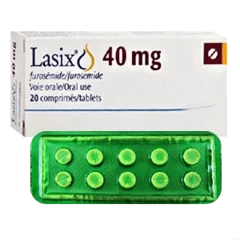
Furosemide (Lasix) is a loop diuretic used for fluid retention and high blood pressure. This listing covers Lasix and Frumil tablets, with Frumil combining furosemide and amiloride.

Key points
- Kidney action: furosemide increases the removal of salt and water through the kidneys, reducing retained fluid.
- Safety: furosemide can cause dehydration and electrolyte imbalance, and hearing changes are a serious warning.
What furosemide is used for
Furosemide is used for Oedema and Hypertension. Lasix contains furosemide alone, while Frumil contains furosemide with amiloride, a potassium-sparing diuretic.
Further reading
Related articles

22 Sept 2026 ⋅ 9 min read
High Blood Pressure in the UAE: Heat, Hydration and Your Medication
High blood pressure has almost no symptoms, and a hot climate changes how some of its treatments behave. What the numbers mean, which medicines are affected by heat and dehydration, and what to check before summer.
Read guide
5 Aug 2026 ⋅ 9 min read
Ramadan and Your Medication: Timing, Fasting and What Not to Stop
Fasting changes when you take most medicines, not whether you need them. What to raise with your doctor before Ramadan, which medicines carry real risk during a fast, and why stopping a chronic medicine quietly is the dangerous option.
Read guide
29 Jul 2026 ⋅ 8 min read
Storing Medicine in a Gulf Summer: What the Label Actually Requires
Most medicines are licensed to be stored below 25°C, and a UAE summer runs well past that. Which medicines fail first in the heat, which ones make heat itself riskier, and what to do about deliveries, cars and travel.
Read guide