Yaz
Ethinylestradiol, Drospirenone
0.02mg + 3mg
Ethinylestradiol and drospirenone tablets for contraception and premenstrual dysphoric disorder. They prevent ovulation by altering hormone levels.
From$1.90/ tabletView
Acne vulgaris is a common form of acne, with inflamed and non-inflamed spots centred on hair follicles and oil glands. It often affects the face and may also appear on the neck, chest or back.
Ethinylestradiol, Drospirenone
0.02mg + 3mg
Ethinylestradiol and drospirenone tablets for contraception and premenstrual dysphoric disorder. They prevent ovulation by altering hormone levels.
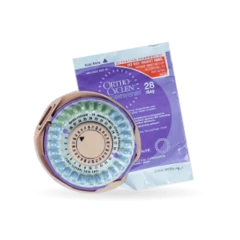
Norgestimate, Ethinylestradiol
0,25mg/ 0,035mg
Norgestimate and ethinylestradiol tablets for contraception and acne. It stops ovulation and thickens cervical mucus to block sperm.
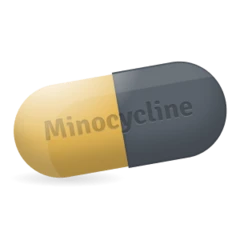
50mg · 100mg
Minocycline capsules for bacterial infections and acne. It reduces the inflammation that causes acne breakouts.
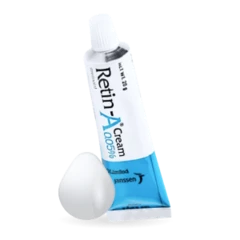
20g
Tretinoin cream for acne. It unclogs pores and speeds up skin cell turnover.
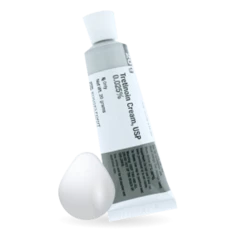
20g
Tretinoin cream for acne. It helps unclog pores by speeding up skin cell turnover.
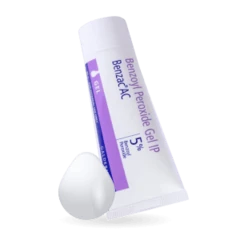
5% 15gm · 5% 30gm
Benzoyl peroxide gel for acne vulgaris. It releases oxygen inside pores to destroy the bacteria that cause spots.
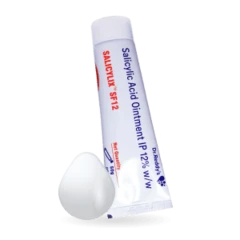
6% · 12%
Salicylic acid ointment for acne and psoriasis. It helps shed dead skin cells and unblock pores.
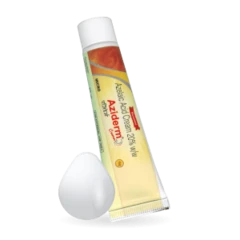
20% 15g
Azelaic acid cream for acne vulgaris and rosacea. It works inside the pores to reduce the bacteria that cause spots.
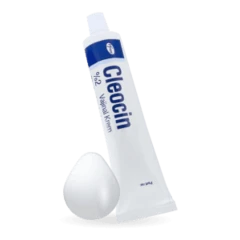
1% 20gm
Clindamycin gel for acne vulgaris. It targets the affected area directly on the skin, without affecting the rest of the body.
100mg
Dapsone tablets for leprosy and dermatitis herpetiformis. It blocks microbial growth and reduces skin inflammation.
For acne vulgaris, the listed products span several medicine types. They include topical retinoids such as Tretinoin and adapalene, alongside benzoyl peroxide, azelaic acid, salicylic acid and clindamycin gel.
The catalogue also includes oral antibiotics such as Minocycline and tetracycline, plus tablets containing hormonal ingredients. These medicine classes have different roles in acne management.
22 Sept 2026 ⋅ 8 min read
About 95% of people aged 11 to 30 get acne to some extent. It is driven by hormones and blocked follicles rather than by dirt, treatments take months to work, and picking spots causes permanent scarring.
Read guide